
When You’re Tired of Dieting But Scared to Eat Normally
You want food to just be… food.
You want to be able to eat a sandwich without it turning into a whole thing. You want to go on vacation without needing a spreadsheet. You want to stop thinking about food all the time, but not so much that you feel like a reckless college freshman with a credit card and zero supervision.
This is the weird limbo no one talks about.
You’re tired of dieting. It’s exhausting. But trying to “just listen to your body” feels like standing in the grocery store with no list, no plan, and no adult supervision.
You don’t want to binge. You don’t want to restrict. You just want peace.
But how the hell do you get there when your brain is screaming, “Be good!” one minute and “Screw it, eat the damn thing” the next?
That’s what intuitive eating sounds like it should solve. But if you’re like a lot of my clients, the phrase “eating without food rules” makes you break out in a sweat.
You’re not alone.
And if you’re thinking, “Why does this feel so hard for me when everyone else seems to be eating their croissants in peace?” stick with me.
Because I’ve been exactly where you are.
I once cried in a restaurant bathroom over whether or not to order the salmon with mashed potatoes. Not because I didn’t want it. But because I did—and I didn’t trust myself not to fall face-first into a weekend of wine and waffles afterward.
That’s when I knew: food wasn’t the real problem. But something definitely was.
Why “No Rules” Can Feel Just as Awful as Dieting
Let’s talk about the thing no one tells you when they say, “Just eat what you want.”
That freedom? It sounds amazing… until it feels like chaos.
You might’ve thought giving up food rules would bring peace. But instead, it feels like you’ve been dropped in the middle of a field without a map, a flashlight, or even snacks.
At least diets had instructions. Sure, they were miserable – but you knew what to do. No sugar. No carbs. No eating after 7pm. Count your almonds. Pray the scale moves.
But when all the rules go away?
You find yourself standing in the kitchen with one sock on, eating crackers straight from the box, thinking: “Am I even hungry? Or just bored? Or stressed? Or… what the hell is happening?”
That’s because we’ve spent decades outsourcing our decisions to other people’s programs.
So when there’s suddenly no plan… your brain panics.
No one ever taught you how to check in with your body. You were only ever taught to obey rules.
And now you’re swinging—hard.
From days of “being good” with smoothies and salads…
to nights of spooning peanut butter straight from the jar and hating yourself after.
From logging every bite into MyFitnessPal…
to eating half a bag of kettle chips in the car and swearing you’ll “start over on Monday.”
That all-or-nothing spiral isn’t about food. It’s about not knowing what “normal” eating even looks like anymore.
So if you’ve been trying intuitive eating and it feels like you’re flailing?
That doesn’t mean you’ve failed.
It means you’re missing something that no one told you you’d need:
A way to eat without food rules that doesn’t feel like chaos.
There is a middle ground.
Let’s talk about what’s actually keeping you stuck—and why it’s not your fault.
The Real Reason You Feel Broken Around Food (Hint: It’s Not You)
Let me say this as clearly as I can:
You are not the problem.
You’re not weak. You’re not lazy. You’re not “addicted to sugar.”
You’ve just been trained (by a $70 billion industry) to believe those things.
Diet culture is slick. It’s sneaky. It’s good at what it does.
And what it does best?
It convinces smart, capable women that they can’t be trusted with a sandwich.
From the time we were teens, we were sold the same lies over and over:
“Your body is the problem.”
“You need more willpower.”
“If you could just follow the rules perfectly, you’d finally be happy.”
But diets don’t just tell you what to eat. They teach you not to listen to your body at all.
Hungry? “Drink water first. You’re probably just thirsty.”
Craving something sweet? “Chew gum.”
Still hungry after dinner? “Have a tea and go to bed.”
Eventually, you start believing that your needs are wrong. That your body is a liar. That your hunger is something to be fought, controlled, silenced.
And when you can’t stick to the plan perfectly (which, by the way, no one can) you feel ashamed. Like you failed. Again.
So you tighten up. Get back on the wagon. Swear off carbs.
Until… you don’t.
And when you finally break? You break hard.
One of my clients once told me, “It’s like I’m either eating dry chicken breast and counting macros, or I’m knee-deep in cookie dough with zero awareness of how I got there.”
Sound familiar?
That’s not a lack of discipline.
That’s the aftermath of years (decades) of perfectionism, shame, and all-or-nothing thinking baked into your brain.
It’s not food you’re at war with.
It’s the story you’ve been told about your body. And the belief that if you let your guard down, it’ll betray you.
But here’s what the diet industry doesn’t want you to know:
The reason you feel out of control is because you’ve never been taught how to be in control.
Real control (the kind that feels like peace, not punishment) doesn’t come from rules.
It comes from trust.
And trust is built, not bought.
Let me show you how.
The Middle Road Isn’t a Myth. It’s a Skill.
Here’s what I want you to hear loud and clear:
You don’t have to choose between food jail and food chaos.
There’s another way. One that’s quieter than dieting. Gentler. And way more sustainable.
I call it the middle road.
It’s not trendy. It’s not flashy. It’s not going to get you six-pack abs in 21 days.
But it works.
And unlike every diet you’ve ever tried, it was designed to get you out of this mess—not deeper into it.
Let me explain.
When I first started untangling myself from diet culture, I felt like a toddler with car keys. I had no idea what I was doing.
Was I hungry? Full? Emotional? Bored? Who could tell?
So I did what any control-loving, spreadsheet-wielding former Weight Watcher would do: I panicked.
I tried to “intuitively eat” while also tracking macros, timing meals, and avoiding carbs after 3pm. (fun fact: that’s not intuitive eating. That’s a nervous breakdown in leggings.)
I use a custom framework with my clients that I call structure with flexibility. You can think of it like a capsule wardrobe, but for food.
You know how a capsule wardrobe is just a few mix-and-match pieces you love? They fit. They feel good. They’re easy. No drama. No clutter. No trying on ten pairs of jeans and crying on your bed.
That’s what I help my clients create with food.
Not a “meal plan.” Not a new set of rules. Just a go-to unlimited menu of foods that:
- Feel good in their bodies
- Keep their energy stable
- Don’t trigger guilt or overthinking
- And yes, include pleasure foods like chocolate, wine, or fries
I once had a client who was terrified of French fries. Like, wouldn’t touch one with a ten-foot pole because she was convinced she wouldn’t be able to stop, and she’d eat them all.
One day at lunch, her husband ordered fries. And she took three.
Not the whole basket. Not none. Just three.
And I swear, it was like watching someone crack a secret code.
Because it wasn’t about the fries. It was about proving to herself that she could have some without having all.
That’s the middle road.
It’s not “I can’t have that.”
And it’s not “Screw it, I’m eating all of it.”
It’s “I trust myself to decide.”
Most women never learn this. Diet culture doesn’t teach it. Of course not – if you could trust yourself, you wouldn’t need another program.
But you can learn it. And it doesn’t require tracking your food or being “good” all the time.
It just takes a little guidance… and some bumpers.
You remember bumper bowling, right?
Same idea here. You’re still aiming for the pins. You’re still learning. But instead of falling into the gutter every time you make a mistake, you’ve got support to keep you moving in the right direction.
No shame. No spiraling. Just information.
This is how real change happens.
And no, it’s not instant.
But it is possible. And it’s so much better than white-knuckling your way through life with a food scale in your purse.
Next, I’ll show you how to start building that trust, but for real this time.
How to Start Trusting Yourself Around Food Again
If you’re thinking, “Okay, great! but how do I get there?” you’re not alone.
I used to think trust was something you either had or didn’t.
Like, some women were just born with the ability to stop eating when they were full… and the rest of us were cursed to roam the pantry like a raccoon at 9pm.
But trust? It’s a skill.
And just like driving or doing taxes or keeping a plant alive past three weeks, it takes practice.
The problem is, we’ve been practicing the wrong things.
We’ve spent years training ourselves to not listen.
We ate what the app told us.
We skipped meals because we were “good” for resisting.
We ignored hunger, ignored fullness, ignored everything except the number on the scale.
So of course it feels impossible to trust yourself now. You’ve got decades of unlearning to do.
And here’s the kicker: your brain isn’t helping.
There’s a part of your brain called the Reticular Activating System, or RAS for short, that acts like a filter. It notices the stuff it thinks is important and ignores everything else.
So if you’ve spent years telling yourself, “I can’t be trusted,” guess what your brain’s scanning for?
Evidence that you’re screwing up.
Even when you’re doing things right (like stopping when you’re full, choosing the food that feels best, or skipping the snack because you’re actually not hungry) you might not even notice. Because your RAS isn’t set to look for that.
It’s set to find the “fail.”
That’s why it’s so easy to feel like you’re not making progress, even when you are.
I had a client who came to me convinced there was something wrong with her. She kept saying, “I just can’t figure this out. I always end up overeating.”
But when we slowed things down, she realized something wild: she was doing better. She’d left food on her plate three times that week. She’d walked away from the kitchen after dinner instead of rummaging for something sweet. She’d noticed her stress at work and journaled instead of diving into snacks.
But none of it registered as success, because her brain had been trained to only see perfection or failure.
So if you’ve ever felt like you’re trying to do things differently but it’s not “working,” check your filter.
You might already be making progress. You’re just not giving yourself credit.
The truth is, building trust with food isn’t about never overeating again.
It’s about knowing why it happened… and what to do next time.
It’s about collecting data instead of shame.
It’s about learning to say, “Huh. That’s interesting,” instead of, “Ugh. I’m the worst.”
This is the work.
Not glamorous. Not Instagrammable.
But real. And doable.
And if you’re ready to take the first tiny step?
I’ve got just the thing.
There’s Nothing Wrong with You. You Just Haven’t Been Taught This Yet.
If you’re nodding along thinking, “Okay… this makes sense. But I still don’t know where to start,” I’ve got something for you.
It’s called 82 Reasons You Overeat That Have Nothing to Do with Food …and yes, it’s exactly what it sounds like.
This isn’t another list of “bad” habits. It’s not a checklist to shame yourself with. It’s a lens – a way to finally see what’s actually going on underneath the overeating.
Because overeating isn’t about food.
It’s about the stress you’ve been carrying since 6am.
It’s about the resentment from always being the one who makes dinner.
It’s about the silence in the house after a long, lonely day.
It’s about needing something for yourself in a life where everything goes to everyone else.
You can download the free guide right now here.
And if you want to go deeper?
I did an entire podcast episode on this exact topic, Episode 233: How to Eat Without Rules
You can listen right now at: elizabethsherman.com/233 or on YouTube here.
No pressure. No push.
Just real tools to help you start peeling back the layers.
Because you’re not broken.
You’ve just never been taught another way.
Until now.
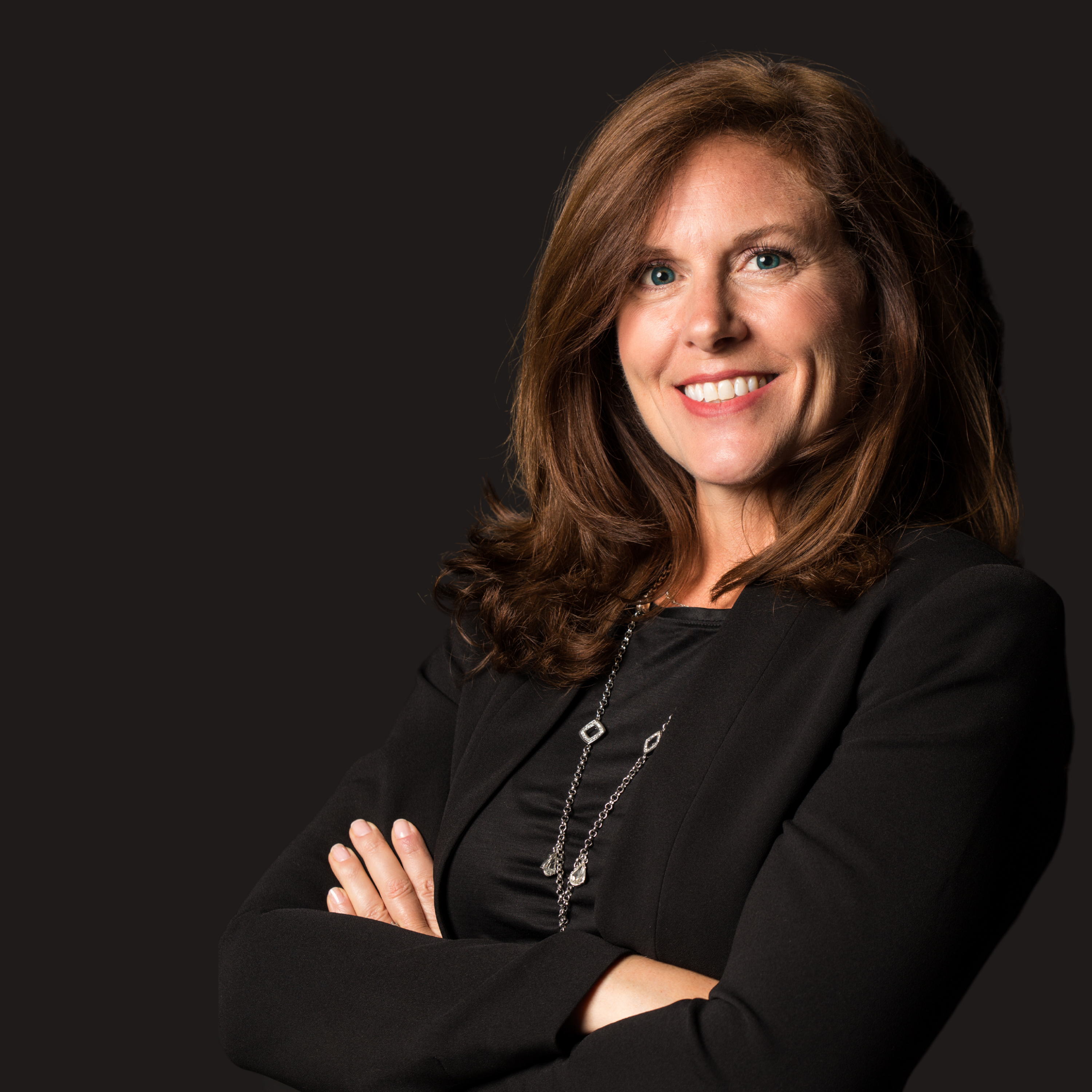
Elizabeth is a Master Certified Life and Health Coach with over 18 years of experience, dedicated to helping women in midlife thrive through holistic health and wellness. Her personal journey began with a desire to reduce her own breast cancer risk, which evolved into a mission to guide women through the complexities of midlife health, from hormonal changes to mental clarity and emotional resilience.
Elizabeth holds certifications from prestigious institutions such as The Life Coach School, Precision Nutrition, and the American Council on Exercise, as well as specialized training in Feminist Coaching and Women’s Hormonal Health. Her approach is deeply empathetic, blending her extensive knowledge with real-life experience to empower women in their 50s and 60s to build sustainable health habits that last a lifetime.
Recognized as a top voice in women’s health, Elizabeth speaks regularly on stages, podcasts, and webinars, inspiring women to embrace midlife with energy, confidence, and joy. Her passion is helping women regain control of their health, so they can fully engage in the things that matter most to them—whether that’s pursuing new passions, maintaining strong relationships, or simply feeling great in their own skin.