
Why is it so hard to start something you already know you want to do?
In this episode of Total Health in Midlife, we’re pulling back the curtain on one of the most frustrating patterns women face when trying to improve their health: knowing what to do… but not actually doing it. If you’ve ever found yourself stuck in prep mode, endlessly planning, researching, tweaking your routine without ever taking action, this one’s for you.
We’ll explore why planning feels safer than doing, how perfectionism keeps you spinning, and the powerful mindset shift that turns overwhelming change into small, doable steps. With relatable stories, gentle humor, and practical takeaways, this episode will help you move from “I’m getting ready to start” to actually making progress, with less pressure and more self-trust.
Are you loving the podcast, but arent sure where to start? click here to get your copy of the Total Health in Midlife Podcast Roadmap (formerly Done with Dieting) Its a fantastic listining guide that pulls out the exact episodes that will get you moving towards optimal health.
If you want to take the work we’re doing here on the podcast and go even deeper, schedule an I Know What to Do, I'm Just Not Doing It strategy call—and start making real, lasting progress toward feeling better, having more energy, and living with confidence in your body. click here to to book your call today.
I am so excited to hear what you all think about the podcast – if you have any feedback, please let me know! You can leave me a rating and review in Apple Podcasts, which helps me create an excellent show and helps other women who want to get off the diet roller coaster find it, too.
What You’ll Learn from this Episode
- Why planning feels productive—but might actually be keeping you stuck
- How to shift from all-or-nothing thinking to “B-minus” action
- A fresh way to think about starting that makes it less scary—and way more sustainable
Listen to the Full Episode:
Featured on the Show:
- 8 Basic Habits That Healthy People Do Guide
- Episode: Try, Evaluate, Adjust – The Secret to Building Habits That Stick
- Podcast Listener Roadmap
Full Episode Transcript:
240 – How to Start
Elizabeth: [00:00:00] Have you ever noticed how planning to be healthy feels. Weirdly satisfying. Even when you don’t actually do anything, like you make a plan to eat more vegetables, to move your body, to go to bed earlier, and it feels like you’re doing something, you feel productive, like change is already happening, but then Monday rolls around and somehow you’re eating crackers over the sink.
Yeah. I know that pattern really well too. In today’s episode, we are talking about why starting feels so freaking hard, even when you know exactly what to do, why your brain keeps telling you to wait until the quote unquote perfect time, and why you keep circling the same plan without. Actually pulling the trigger and getting started, and I will show you how to make starting feel smaller, [00:01:00] safer, like a curb instead of jumping off of a cliff.
If you’ve ever been stuck in prep mode for weeks or months, or even years, this episode might just be the thing that gets you moving. Not with pressure, but with permission. Let’s get to it.
Welcome to the Total Health and Midlife Podcast, the podcast for women over 40 who want peace with food, ease in their habits, and a body that they don’t have to fight with.
Hey everyone. Welcome to the Total Health and Midlife Podcast. I am your host, Elizabeth Sherman, and today we are talking about something that trips all of us up.
Even me, even the ones who look like we have it all together, and that is actually starting now. This does not have to apply to just your health. This applies to [00:02:00] everything across the board, so it’s not in the planning and not in the researching and not the color coded spreadsheet with the macros and workouts, and 7:00 AM affirmations, the actual doing.
The moment when the plan is supposed to leave your notebook and hit the real world and somehow it doesn’t. Now I know this pattern because I’ve lived it. I still live it in different areas of my life. Years ago. I had this epic Sunday night ritual where I would make this beautiful plan for the week, meals, workouts, sleep goals, water tracking, all of it.
It was practically like this beautiful vision board for my healthiest self. And then by Wednesday I was not actually following the [00:03:00] plan and I really hadn’t started it. And I would wonder like where it all went wrong and I think, what is wrong with me? I know what to do. But the truth is that there was never anything wrong with me in the first place.
I wasn’t lazy or unmotivated. I was just stuck in the planning part, the part that felt productive without actually being vulnerable and having to make mistakes. And that part. Is preparation. So today we are digging into that space between knowing and doing why it feels so safe to plan and so risky to begin, and how to finally get out of that loop.
It is so easy to confuse planning with action, especially when the plan feels really good, like you sit down with your [00:04:00] notebook, maybe a fresh new app, And this surge of hope kicks in this time. It’s gonna work. You make the grocery list, you pick the workouts, you pencil in your rest days like a boss.
You find all of the recipes, and for a moment you feel like someone who’s. Being productive, who’s doing it? But here’s the sneaky part. Planning gives us this hit of satisfaction without ever asking us to get uncomfortable. No sweat. There’s no cravings, no missed walks, or, oops, I forgot to defrost the chicken.
It’s all just potential clean, untouched potential. And because of that, it feels like we’re making progress. We tell ourselves I just need to finish my plan, or I’m just [00:05:00] not ready yet. I need a better schedule.
But deep down, what we’re often avoiding is the mess that comes with the doing, the discomfort, the risk that it won’t work out, the possibility that we’ll try and still feel like we’re failing. Perfectionism thrives here. It tells you that unless you can do it exactly right, it’s not worth doing it all.
And fear. Fear whispers that if you start and you don’t succeed, you will prove what you already secretly suspected that maybe you can’t do it. So instead of taking one tiny step, we do more planning. We tweak the routine. We research supplements or gyms. We buy a better planner.
We’re in constant preparation mode [00:06:00] because it feels safer to anticipate a problem than to actually face it. But staying in preparation is like endlessly circling around about you look busy, you feel like you’re doing something, but you’re not actually going anywhere. And here’s the thing about that. The longer we stay here, the more it erodes our self-trust, because every time we make a plan and don’t follow through, we start believing that we are the problem, that we are flaky, undisciplined, broken, but you’re not broken.
You’re just caught in a really compelling loop that looks like progress, But protects you from the vulnerability of change, and the only way out isn’t a better plan. It’s a willingness to take one imperfect, unpolished, possibly [00:07:00] inconvenient step. This shows up for me in my business all the time.
I’ll be working on a new offer, for example, or redoing a sales page, and suddenly I get this urge to change my entire calendar system or update the font on my website, which, yes, sounds productive, but it’s not. Actually moving the needle. It’s me hiding because putting something new out into the world, whether it’s a product or a podcast or a post, it feels like exposure.
It feels vulnerable. Like what if it flops and I hate that, but making a checklist, there’s zero risk in that it looks like I’m working. It keeps me from facing the fear that no one will sign up. I had a client once who came to me wanting to start working out again.
She hadn’t done anything [00:08:00] consistent in a while, but she kept saying, I just need the right program. So we talked through her options like walking strength, yoga. All of it, but every time we settled in on something simple, she’d say, yeah, but is that enough? And then she’d go back to researching like Pelotons or looking at gym schedules or watching workout videos on YouTube.
She was planning, planning and doing just. Tons of planning, and what she was really avoiding was the discomfort of being a beginner. Again, that awkwardness of not being good at it, the soreness that comes with starting over. And look, I totally get it because. Same. Right. What shifted for both of us was dropping the idea that the first step had to be impressive, that it had to count in some big way.
For me, it was realizing that launching something [00:09:00] imperfect was better than perfecting something that never got seen. And for her it was putting on shoes and going for just a small 10 minute walk. That’s it. No sports bra, no heart rate monitor, just going for a simple walk. And she came back the next week, a completely different person, not because she was suddenly fit, but because she had done the thing.
She had kept her commitment to herself and she had moved from planning into action. And so here’s the truth. Most of what we are avoiding isn’t the task itself. It’s the emotions that go along with it. Embarrassment, self-doubt, the fear of doing it wrong, but none of those actually get smaller by waiting.
They only shrink when you do the thing. Planning is safe. That’s the [00:10:00] truth. It’s cozy, it’s controlled. You get to stay in your own head where all your habits are still intact. Your reputation remains un tarnished, and your knees aren’t sore from that first workout, but action. Action is vulnerable. Because once you move, once you start, you actually take a risk.
You risk finding out that it’s actually harder than you thought it was going to be. You risk messing up, you risk not being good at it. And even worse, you risk realizing that change actually requires effort and that feeling can feel overwhelming. This is why it feels like a cliff instead of a curb, because we’ve put so much pressure on ourselves on that first step to be flawless.
If you think the first move has to be the move [00:11:00] that launches your whole transformation, of course it’s going to feel really terrifying and intimidating, but. What if it’s not a cliff? What if it’s a curb? What if it’s something small that just gets you into the next level so that you can take a better look around?
It’s not permanent. It’s not defining, it’s just directional. I’d like to use a dating analogy here because it’s so incredibly human. Like think about how different your experience is when you go on a first date trying to impress the other person you’re on. You’re scanning for their reactions.
You’re performing a little bit because you’re trying to get them to like you. Now, let’s flip it. What happens when you go in asking? Do I even like them? You don’t have anything writing on this [00:12:00] date, and so it’s calmer. There’s less pressure, and you’re present instead of needing to be perfect. The same goes for your habits.
So instead of asking, can I stick with this forever? You wanna ask, do I like this? Does this even work for me? That switch moves you from proving to exploring, from performing to experimenting, because that’s what starting really is. It’s an experiment. You try something, you learn, you adjust, you try again, not because you’re failing, but because you’re collecting information.
I’ve been leaning into this idea of messy imperfect action. One of my mentors calls it B minus work. And let me tell you, it’s incredibly freeing when the goal isn’t perfection, but momentum. You [00:13:00] suddenly have so many more options, you are allowed to pivot. You’re allowed to learn. You’re allowed to suck at something for a while and not make it mean anything about your worth.
And the best part is that once you take that first tiny step, when you prove to yourself that nothing exploded, you build trust. Not because you followed the plan perfectly, but because you showed up. At all. And that kind of trust, that’s what change is built on. So let’s say that you wanna start eating more vegetables, fantastic.
But instead of planning out a week of perfectly portioned meals and three new recipes, what if you just added one vegetable to one meal today? Maybe it’s some baby carrots with lunch or throwing a handful of spinach into your scrambled eggs. [00:14:00] That’s it. That is B minus work, not Instagram worthy, but it is effective.
Or maybe you just wanna move your body more instead of committing to an hour at the gym four times a week. What if you just went outside and walked for 10 minutes? Not power. Walked, not tracked. Your steps just moved your body with no agenda. You can always add more, but start there.
These are what I call bare minimum habits. They’re easy to say yes to, even on your worst day, and the goal isn’t to nail them forever. It’s to gather data to see what works for you.
You try something, you check in, did I like it? Was it doable? Did it help? And then you adjust. Maybe you try a different time of day, a different vegetable, a [00:15:00] different playlist for your walk. It’s not about sticking to a rigid plan. It’s about staying curious and adapting as you go. You don’t need a 30 day program.
You need a starting point, something small and doable enough to build momentum because once you’re in motion, it’s a whole lot easier to keep going. Because you don’t need to be ready. Seriously. That might be the biggest myth keeping you stuck. The idea that there’s some magical moment when motivation will strike.
Your schedule will clear and you will finally feel like doing the thing. But change doesn’t start with readiness. It starts with curiosity. Can I try this and see what happens? Can I learn something here? Even if it’s messy, imperfect action. Can I let this be a little awkward instead of waiting for Perfect.
If you’re nodding along thinking, okay, I. I am ready to do [00:16:00] something. Then I wanna invite you to download my eight basic habits that healthy people do, guide and checklist. These are the exact habits that I work with my clients on. They are the foundation of my teaching, the ones that actually move the needle without requiring you to overhaul your entire life.
They are simple, yes, but they are also powerful because when you can do these consistently, you build the kind of self-trust that makes any change possible. You can grab the guide at elizabethsherman.com/habits or check the link in the show notes, and if you are still circling the roundabout, wondering where to start or where to get off, that is okay too.
Just start with one step. One small move. What is the easiest thing to do? And then do that something that’s so doable. It almost feels silly. That’s [00:17:00] what we’re aiming for. Start where you are. Start small. Just start. You’ve got this, and I’ve got you. That’s all I have for today. Have an amazing day, and I will talk to you next time.
Bye-bye.
Thank you for joining us on today’s episode. If you’re feeling overwhelmed by all the health advice out there and looking for something that’s straightforward, my eight basic habits that healthy people do, guide and checklist is just what you need. It breaks down essential habits into simple, actionable steps that you already know how to do.
By following these habits, you’ll set yourself on a path to better health, surpassing most people that you know. To get your free copy, just click the link in the show notes or go to elizabeth sherman.com/habits. It’s an easy start, but it could make all the difference in your health journey. Grab your guide today and take the first step towards a healthier you.
Enjoy the Show?
- Don’t miss an episode, follow the podcast on Spotify and subscribe via Apple Podcasts or RSS.
- Leave me a review in Apple Podcasts.
- Join the conversation by connecting with me on Social!


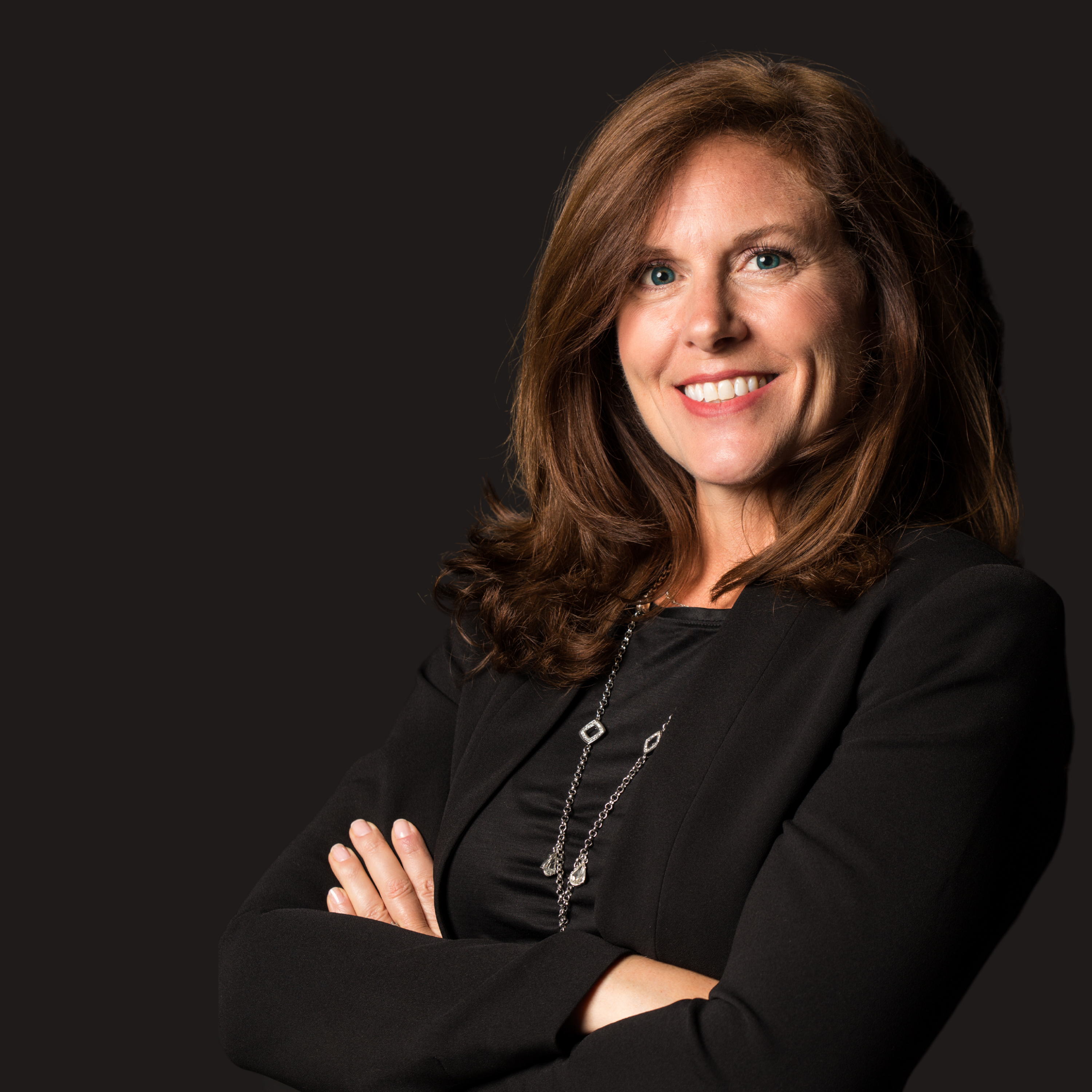
Elizabeth is a Master Certified Life and Health Coach with over 18 years of experience, dedicated to helping women in midlife thrive through holistic health and wellness. Her personal journey began with a desire to reduce her own breast cancer risk, which evolved into a mission to guide women through the complexities of midlife health, from hormonal changes to mental clarity and emotional resilience.
Elizabeth holds certifications from prestigious institutions such as The Life Coach School, Precision Nutrition, and the American Council on Exercise, as well as specialized training in Feminist Coaching and Women’s Hormonal Health. Her approach is deeply empathetic, blending her extensive knowledge with real-life experience to empower women in their 50s and 60s to build sustainable health habits that last a lifetime.
Recognized as a top voice in women’s health, Elizabeth speaks regularly on stages, podcasts, and webinars, inspiring women to embrace midlife with energy, confidence, and joy. Her passion is helping women regain control of their health, so they can fully engage in the things that matter most to them—whether that’s pursuing new passions, maintaining strong relationships, or simply feeling great in their own skin.