
If you feel like a smart, capable woman who can handle everything in your life except food, this episode is for you. We’re talking about what it actually looks like to trust yourself around food again in perimenopause – without another strict diet, macro plan, or “never eat sugar again” rule.
In this conversation, I walk you through the hidden reasons you keep ending up in the Sunday night “last supper,” the Monday morning “I’ll be good,” and the 9 pm pantry raid… even though you swore you wouldn’t do it again. You’ll hear why this has nothing to do with you being weak or broken, and everything to do with biology, hormones, stress, and the skills you were never taught.
We’ll look at the specific skills that women who seem “normal” around food actually have – things like not making overeating a moral failure, knowing when they’re truly hungry vs. stressed, and being able to have dessert without it turning into a days-long spiral. You’ll also hear a real client story of a 57-year-old midlife woman who went from secret eating in her bedroom to buying donuts for someone else and not even feeling tempted.
And if you’ve ever asked yourself, “Why did I eat that when I didn’t even really want it?”, I’ll show you a practical next step to start answering that question with curiosity instead of shame so you can begin building real food freedom in perimenopause.
The Biggest Problem Midlife Women Face Regarding Trusting Themselves Around Food in Perimenopause
The biggest problem midlife women face when it comes to trusting themselves around food in perimenopause is that they blame themselves for patterns that are actually predictable responses to restriction, hormone shifts, and chronic stress. When you’re dealing with changing estrogen and progesterone levels, sleep disturbances, hot flashes, mood swings, and midlife stress, your brain and body are primed to look for quick relief. Diet culture tells you the answer is “more discipline” or a stricter plan, but your biology hears famine and pushes back with stronger cravings, obsessive food thoughts, and intense urges to eat at night.
Instead of understanding this as a normal, explainable response, most women turn it into a character flaw: “I can’t be trusted around food,” “I just love food too much,” or “something is wrong with me.” Every time a new perimenopause diet, hormone reset, or gut health protocol fails, it adds to the story that you are the problem. No one explains that these plans only teach rules—what, when, and how much to eat—and completely skip the mental and emotional skills you need to feel calm around food when life is stressful, your hormones are fluctuating, and you’re exhausted.
This creates a painful loop: you restrict to “fix” your weight, energy, or belly fat, your body rebels, you overeat or binge, and then you promise yourself you’ll be “good” again on Monday. Food becomes a constant battle in your head — especially at night — and you start to fear situations like vacations, holidays, or eating out because you don’t trust yourself. The real problem isn’t that you lack willpower; it’s that you were never given a framework for perimenopause-friendly eating that teaches self-trust, emotional regulation, and realistic decision-making around food.
What You Can Do Right Now
Right now, the most powerful thing you can do is stop treating overeating as a moral failure and start treating it as information. Instead of, “I’m disgusting, I blew it,” try, “I overate. What was happening right before that?” Were you stressed, tired, lonely, resentful, bored, or anxious? Were you restricting earlier in the day? This simple shift turns your eating into a feedback loop you can learn from, instead of another reason to attack yourself.
Next, begin collecting tiny pieces of evidence that you can be trusted around food. Notice the moments when you stop before you’re painfully full, when you leave a bite or two on the plate, or when you walk away from food you don’t actually enjoy. These wins may feel small, but they are the building blocks of self-trust. For extra support, download 82 Reasons You Overeat That Have Nothing to Do with Food and use it to identify your personal triggers—people-pleasing, “getting your money’s worth,” eating to avoid waste, or zoning out with food—so you can start changing the pattern instead of blaming yourself.
The Listener Takeaway: Why This Episode Matters
This episode matters because if nothing changes, it’s very likely that 10 years from now you’ll still be doing the same food dance—last suppers, Monday restarts, late-night overeating, and constant guilt—just in an older body that’s even more tired of the fight. Understanding that your perimenopause overeating is a skills gap, not a character flaw, opens the door to a completely different future where food is just food again. You don’t have to wake up every day wondering if this is the day you finally “have enough discipline.”
The real relief comes from knowing there is a clear, compassionate way forward: learning to notice your patterns without shame, rebuilding trust with yourself one small decision at a time, and giving your midlife body the respect and support it’s been asking for. When you start using the tools from this episode and the 82 Reasons guide, you’re not just changing what you eat—you’re changing how you think and feel about food, your body, and your future. That shift is what turns food from a constant battle into something that supports your energy, health, and joy in this season of life.
Are you loving the podcast, but arent sure where to start? click here to get your copy of the Total Health in Midlife Podcast Roadmap (formerly Done with Dieting) Its a fantastic listining guide that pulls out the exact episodes that will get you moving towards optimal health.
If you want to take the work we’re doing here on the podcast and go even deeper, schedule an I Know What to Do, I'm Just Not Doing It strategy call—and start making real, lasting progress toward feeling better, having more energy, and living with confidence in your body. click here to to book your call today.
I am so excited to hear what you all think about the podcast – if you have any feedback, please let me know! You can leave me a rating and review in Apple Podcasts, which helps me create an excellent show and helps other women who want to get off the diet roller coaster find it, too.
Watch or Listen to the Episode:
WHAT YOU’LL LEARN
- Why your perimenopause body reacts so strongly to dieting and restriction (and why it’s not a willpower problem)
- The specific skills women with “normal” eating have that help them stop at enough, even around trigger foods
- How one midlife woman went from secret bingeing on donuts to feeling genuinely calm around dessert – and what you can borrow from her journey
RESOURCES
- Beyond Overeating – A small group coaching experience for women who want a peaceful relationship with food
- Free Guide: 82 Reasons You Overeat That Have Nothing to Do with Food
Full Episode Transcript:
254 – How to Trust Yourself Around Food Again in Perimenopause
[00:00:00]
Elizabeth: I want. Want you to picture yourself standing in your kitchen on a Sunday night eating your leftover cookies or brownies or whatever your thing is, so that they are, quote unquote, not in the house tomorrow. You know what I’m talking about? You want them, yet you don’t want them, and you’re already planning how strict you’re gonna be on Monday to make up for it.
You tell yourself it’s fine. I’ll be good this week. I just need more discipline. And you’ve probably said some version of that. For years now. Now, here’s the part that stings a little bit. Most women think that this is just a little quirky food thing that they’ll outgrow, but that constant fight with food is quietly shaping your health, your hormones, your sleep, your energy, your mood, and honestly how much of your actual life you’re present for.
In today’s episode of the podcast, I am pulling back the curtain on what life looks like when food is not [00:01:00] a constant battle anymore in a real non fantasy way, and the specific skills that women who seem quote unquote normal around food, actually have. If you’ve ever thought, I can’t be trusted around certain foods, or Why did I eat that when I swore I wouldn’t?
You are gonna wanna hear this all the way through.
Welcome to the Total Health and Midlife Podcast, the podcast for women over 40 who want peace with food, ease in their habits, and a body that they don’t have to fight with.
Hey everybody. Welcome to the Total Health and Midlife Podcast. I am your host, Elizabeth Sherman, and thank you for tuning in today and spending a bit of your day with me. Now I wanna start by asking you a question. When you picture yourself 10, 15, however many years from now, do you see that version of you still thinking about food all day long, still doing the, [00:02:00] I promise I’ll be good on Monday thing.
Still promising yourself that you won’t eat the bread basket and then eating it anyway, and then going to bed, being mad at yourself. Or when you imagine the future version of yourself, does she feel calmer? Does she order at a restaurant, whatever she wants and eat until she’s had enough? And then just.
Move on with her day. There’s no mental tug of war. There’s no food hangover, there’s no shame. Spiral at 2:00 AM and so if right now the loudest thing in your head is about food, what you should eat, what you shouldn’t eat, what you just ate, what you’ll eat later, that’s not just an annoying little quirk.
That constant food noise is part of your health. It affects your stress, it affects your sleep, it affects your relationships, it affects your hormones, your energy, your mood. And honestly, it affects whether or not [00:03:00] that you have the bandwidth to care about things like walking more or scheduling your mammogram.
Because if your brain is busy arguing about brownies all day, it’s not really available for much else. And so today we are gonna talk about what life can look like when food is no longer the main character in your brain space anymore. Not some fantasy land where you never want chocolate again.
Not a space where I became someone who, food is fuel is my motto, and I only eat steamed broccoli and chicken. I’m talking about a very real, very human kind of freedom where you can have the cookie or not have the cookie and either way. You’re totally okay. You can plan a vacation or a holiday or a stressful week at work without the fear of, oh no, I’m gonna lose my control around food, where your health isn’t built on white knuckling [00:04:00] and rules, but.
On trust and skills that you can practice. And if you’re a woman in midlife who’s experiencing hormones and who has tried all the diets and knows a ridiculous amount about nutrition and still feels like food is running the show, This episode is for you. By the end, you’ll understand why you’re stuck in this pattern, what’s actually possible for you on the other side, and the very next small step that you can take if you want that future version of you to be more than just a daydream.
So let’s walk through what this actually looks like in real life, because it’s almost never about. I just love food too much. I used to think that it usually starts on a Sunday night. You’ve already decided tomorrow I am getting my act together. So Sunday becomes what? For many of us is called the Last Supper [00:05:00] Tour.
You’re picking at the leftovers from the weekend. Maybe you’re finishing off the pizza that you ordered in, or you’re finishing off the brownies or the ice cream so that it’s out of the house and out of temptation. You eat the chips so that they won’t tempt you on Tuesday,
and as you’re doing it. You’re never sure if you’re gonna get it again, and you’re telling yourself, tomorrow I’ll be good. This is fine. Tomorrow I’m back on track. I just can’t have this stuff around me. I don’t trust myself with it. And so you go to bed feeling over full, a little sick, maybe a little panicky, but also.
Weirdly relieved that it’s out of the house because there’s a plan now. And so Monday morning you wake up full on resolve, right? You’ve got the plan in your head, maybe you’ve gotten written notes in your notes app, and you’re going to eat yogurt with blueberries for breakfast, salad, and grilled chicken for lunch.
[00:06:00] Maybe dinner is chicken or fish with steamed vegetables. There’s no snacks, no sugar, no wine, and of course. You’re gonna start working out again, right? It’s the perfect all or nothing thinking. This time I’m doing it, I’m going all in. I’m finally going to be good. And for a day or two, maybe even a week or longer, you can sustain and white knuckle your way through it.
And you walk past candy at work. You say no to the cookie in the break room, you look at your partner’s chips and think, Nope, I’m not doing it today. Then life starts to get busy. You have a stressful meeting. Your kid calls with a friend problem. Your parent needs something, your boss moves a deadline. You get home late, and you’re just utterly exhausted.
And then all of a sudden, the plan that sounded so [00:07:00] reasonable when you said it now feels like punishment and resentful. In the middle of all of that, there’s this constant ticker tape running in your brain. Can I eat this? How many calories is that? If I have this now, what do I have to skip later? Am I allowed to have wine if I had bread and lunch?
F it, I don’t care. I want it. And so you’re doing mental math all day long, and because salads and yogurt and steamed vegetables don’t exactly feel comforting after a brutal day. You start looking for workarounds. This is where health hacks come in and ask me how. I know maybe you’ve done some of these.
so I used to make cottage cheese, ice cream. I used to eat zucchini noodles or cauliflower mashed potatoes, egg white meringues with stevia that tasted like air and nothingness. And here’s the wild part [00:08:00] about all of this. Because it’s healthy, right? You give yourself permission to eat more of it.
You tell yourself, well, it’s better than ice cream, or, it’s not that many calories. I mean, it’s protein, right? And so instead of sitting down with just one scoop of really good ice cream and enjoying the hell out of it, you end up eating a big bowl of something that you don’t even really like that much, that doesn’t taste very good, and you’re still over full, still uncomfortable and still annoyed with yourself.
And at some point the dam breaks and you have the thing that you swore to yourself that you wouldn’t have the chocolate, the chips, the candy in the pantry. You order drive-through the, I’ll just have one that turns into, well, now I’ve blown it. That one moment turns into the screw [00:09:00] it spiral, right? I already messed up today and I’ll start over tomorrow.
Okay. Monday, Monday. This is gonna hit for real new month, new me, new year, new me. And in the meantime, it’s like this storm inside your body. Your heart feels just buzzy. Your stomach feels heavy and stretched.
your brain feels foggy, like someone turned down the dimmer switch on your energy. You’re wired but tired when you go to bed and you go to bed replaying everything that you ate, promising that you’ll do better tomorrow, and also kind of dreading tomorrow because you’ve said that so many times before.
And underneath all of this is this quiet whisper, like, what is wrong with me? Why can’t I just get all of this together? Other people don’t seem to have this problem, if any part of this sounds a little too familiar, I want you to hear this. There is nothing wrong [00:10:00] with you. You are not the only grown woman who has eaten weird diet desserts in the dark and then felt ashamed about it.
Ask me how. I know you are not the only one who has done the Sunday night Last Supper, or the I will be good on Monday oath for the thousandth time. There’s nothing wrong with you. You are not broken. You’re stuck in a cycle. That absolutely makes sense given what you’ve been taught.
So let’s address why this cycle is so sticky. Like when you do that Sunday night last supper thing, and then you swing hard into restriction on Monday, your brain and body don’t see that as being good like we do. They see it as a threat from your body’s point of view. It looks like this food was plentiful yesterday.
Today, suddenly there’s way less food. There’s no sugar, no more [00:11:00] snacks, these tiny portions and lots of no, and your body doesn’t understand. I’m trying to lose 15 pounds before I go on vacation. All it understands is we had food and now we don’t. And I think that that’s a problem. So it starts working against your plan, not because it hates you, but because it’s trying to keep you alive.
Your body is your BFF biologically restriction ramps up your hunger hormones, and you think you’re just obsessed with food, but your body is literally cranking up the volume on thoughts about eating because it thinks it’s protecting you from famine psychologically. There’s also another layer. The minute you tell yourself, I can’t have this, or it’s off limits, or This food is bad, your brain becomes laser focused on that exact food.
If I say, don’t think about the chocolate [00:12:00] covered almonds that are in your pantry right now, where do you think your brain is gonna go? It goes straight there. And so now you’ve got a body that is hungrier than usual, a brain that is obsessed with the very things that you’ve labeled off limits. And on top of that.
A full-time job. Aging parents, adult kids, hot flashes, and a to-do list that is the length of your arm. And the only tool that you have been given to manage all of this is follow these rules, try harder or drink water. You’re not hungry, you’re thirsty. Now most diets are basically spreadsheets in disguise.
They tell you what to eat. They tell you when to eat. They tell you how much to eat and which foods are good and which foods are bad. What they don’t teach you is what to do when you come home from a brutal day at work and want to eat your feelings. They don’t teach you how to sit with anxiety or loneliness without [00:13:00] opening the pantry or how to talk to yourself when you overeat without turning it into a character assassination, or how to navigate real life like pizza with your family.
A work conference with buffets, travel days where everything is completely off schedule. The diet assumes that we’re robots. We’re not robots. We’re humans. We’re human women in midlife, and so we’re dealing with hormone shifting and making you hungrier. Sleep and energy that’s much less predictable.
There’s stress from work, relationships, money and caregiving, an aging body that maybe doesn’t bounce back the way that it used to. A brain doing the mental load for everyone in your life. So when a diet hands you a list of rules and says, just follow this, [00:14:00] and if you can’t, it’s on you. Well, no wonder it feels like you’re failing.
It’s not that you’re lazy. It’s not that you lack discipline. It’s not that you’re just someone who loves food. It’s that no one has ever taught you the actual skills of having a peaceful relationship with food.
the women that you look at and think, you know, she has a normal relationship with food. What is wrong with me? Most of them didn’t do it with willpower alone. Consciously or not, they picked up a set of skills over time. They don’t make one overeating episode mean that there’s something wrong with them.
They can walk away from food when they’re done, even if there’s more on their plate, because they’ve separated out the idea that throwing away food into the garbage is not any worse than throwing away food into your body, that your body doesn’t need the food. They [00:15:00] know the difference between. I’m hungry.
I’m stressed, I’m bored, or I’m lonely. They trust themselves to be around tasty food without needing to control every single bite. Those things are skills. Just like learning to drive or learning a new language. They can be broken down, they can be practiced, and they can be strengthened. But instead of saying, Hey, let’s teach you those, the world keeps handing you more meal plans and more food rules.
And if you’re a woman in your forties, fifties, or sixties, you’ve probably been hearing the same messages for decades. Eat less, move more. Try harder, be disciplined, be good, find the right plan. And if it had worked, it would’ve worked by now. Right? So I want you to try on a different idea, like what if you are not a woman who can’t [00:16:00] be trusted around food?
What if you’re a woman who’s never been given the right tools for the life that you actually live today? And if that’s true, then the question stops being what’s wrong with me? And it starts becoming what happens when I start building the right skills instead. So let’s talk about that. Let’s talk about what life looks like on the other side of this.
Most of us have an idea of who we want to become in our heads. She lives somewhere around 10 or 15 years down the road. Now in your mind, she wakes up in the morning, maybe she has coffee on the porch. She stretches a little. She puts on clothes that actually fit and feel good. She goes out to dinner and she orders what she wants.
She eats until she’s had enough, and then she just carries on with her night. She’s not replaying the bread [00:17:00] basket in her head at 3:00 AM. In your fantasy, that woman does not stand in front of the pantry, shoveling chocolate into her mouth when she’s feeling lonely or stressed. Her life might not be perfect, but food is not her go-to.
It’s not the loudest thing in her brain. Here’s the tricky part. We have this image of this future version of us who is magically calm and sane around food, but we treat her like she’s gonna show up one day fully formed, like the Food Fairy has dropped her off. We don’t usually connect that peaceful relationship with food to anything that we do today.
She’s just out there somewhere. I remember the moment that that changed for me. I was standing in my living room, I was looking out the window onto the street. I was exhausted, and at that point in my life, I was over exercising. I was [00:18:00] undereating during the day and then overeating at night. It was a whole pattern and cycle that just was repeating all the time.
So during the day, I would be good. And then at nighttime I couldn’t keep it up, and so I would overeat and raid the kitchen. Sometimes it was chocolate bars, entire chocolate bars. Sometimes it was whatever healthy dessert hack that I had cobbled together out of Rico. Cota cheese and Stevia and cocoa powder.
Sometimes it was the sugar-free pudding that I didn’t even like, but was in the fridge and I wanted something, anything. So I would eat until I felt uncomfortable, not just, oh, okay. That was enough. I’ve made that little switch, right, but that stretched heavy, slightly nauseous feeling. And then I would go to bed feeling physically ill, as well as mentally and emotionally too, thinking, what is [00:19:00] wrong with me?
Why can’t I not get a handle on this? Why do I keep doing this to myself? And as I was standing, looking out onto the street, just bone tired from this whole thing. This really clear sentence popped into my head. I cannot keep doing this. This is not sustainable. I do not wanna be doing this when I’m 65, and I could picture her.
65-year-old me and she did not live like what I was doing right now. She was not eating entire chocolate bars in one sitting. She was not waking up to run at 4 45 in the morning going back to the gym to lift weights. After she was done with her work, she was not planning her life around the next diet.
And the very next thought I had was, if I don’t wanna be doing this, then I need to figure this out. I have to do something different now because this isn’t just going to magically [00:20:00] stop. And that was the beginning of me treating my relationship with food as something that I could actively shape instead of a bad habit that I should be able to shame myself out of.
And so I wanna ask you a version of that same question when you picture yourself 10. Years from now, maybe at 60, 65 or 70. Is she still binging on chocolate bars at night? Is she still doing the Sunday night last supper and the Monday morning pep talk? Is she still googling how to lose those same 20 pounds over and over and over again?
If the answer is no, if the future version of you is not living like this, then something has to shift between now and then. And I don’t mean that you have to become this perfect clean eating saint. That’s not the goal here. Now, on the other side of this work, life looks more like this. You see the cookie, you might still want the cookie.
Of course you [00:21:00] do. You’re human cookies are good, right? But it doesn’t feel like it has power over you. You can have it, enjoy it, and then move on. Or you can decide, you know what? I don’t want that right now. And still feel okay. Food stops being the highlight of your day, not because you don’t enjoy it.
Because the rest of your life is actually so much more enjoyable and a place that you wanna be present for, you have other things to look forward to. Walking with a friend, snuggling on the couch with your dog, a show that you love, feeling less creaky in your body and going to bed without that heavy, over full feeling.
And weirdly, you end up enjoying food more. When you’re not eating in a panic or in a trance, or as a way to escape your feelings, you can actually taste and savor your food. You can take a [00:22:00] bite of cake and notice the frosting, the texture, the way it melts in your tongue, and then stop when you’ve had enough, not when you’ve hit the, I hate everything.
Why do I do that wall? That version of you is not a fantasy. She’s built out of the small choices that you make now, the skills that you learn now and the decisions that you make about how you want to relate to food today, and that’s what I wanna illustrate for you in the rest of this episode. What changes when you start building those skills and what life can feel like when food isn’t running the show anymore?
So I wanna share a story about one of my clients. I’ll change a few of the details to protect her privacy, but the heart of the story is still the same. Now she’s 57, she’s married, she’s grown kids who are out of the house. She has a professional job, she’s smart, she’s competent. Her [00:23:00] coworkers truly love her, and her husband loves her too.
And from the outside, you would never guess that there was a problem. Almost every night she would come home from work, say hello, do the normal evening routine, and then she would disappear. Sometimes she would disappear into her office and other times it would be her bedroom, and sometimes she would say that she was just catching up on emails.
What she was really doing was she was eating not just a piece of chocolate and moving on. Eating until the food either ran out or until she felt physically sick to her stomach, and then she would lie in bed feeling heavy and nauseous and so, so incredibly ashamed. She would cry quietly so that no one would hear her and she would promise herself.
She would swear to herself that tomorrow would be different. She did [00:24:00] diet after diet after diet, every time it didn’t work. She didn’t think, huh, maybe this isn’t the right approach for me.
She thought, I’m the problem. I can’t even do this. Right. One of the things that she told me early on was about donuts. There was a donut shop that she loved. She would go in and buy multiple dozens, one or two to bring to work so that it looked normal, and then a whole dozen just for herself, not just one donut, a dozen, and then she’d work her way through them in secret.
When we started working together, the turning point was not some magical, dramatic moment. It was actually her telling the truth for the first time, saying out loud, this is what I’m doing. This is how much I’m eating. This is how awful I feel afterwards. No sugar coating it? No. Oh, [00:25:00] I just kind of overdo it sometimes.
Or I eat healthy most of the time. Just honest, raw reality. And from there, instead of giving her another meal plan, we started working on the skills that she needed, how to pause, how to feel a feeling without running to the pantry. How to talk to herself when she overate without ripping herself apart.
Had a plan for pleasure on purpose, so that food wasn’t her only joy. And a few months later, she decided that she wanted to buy donuts as a thank you gift for her veterinarian. Her dog had been really sick and she wanted to show her appreciation to the office. Now, her husband, who knew her history with donuts, looked at her and said, are you sure you’re okay doing this?
And she said, yeah, I’m good. She went to the donut shop and she bought a dozen donuts for the vet’s office, and then that was it. [00:26:00] No extra dozen in the car, not even one single donut. No crumbs on her shirt, not a secret stop in a parking lot. The idea of buying more for herself didn’t even feel tempting.
It felt irrelevant. Today, she goes out to dinner with her husband and can share a dessert and take a few bites of something sweet and genuinely be done, not feel like she’s white, knuckling it, pretending to be done, but actually satisfied. And so food is no longer the main source of joy in her life. It’s just part of the background.
It enhances her life. Her joy now looks like hiking. She bought a bathing suit and wore it in public. She bought shorts and didn’t hide behind her oversized sweatshirts. She started playing with clothes and style and color because she’s not trying to disappear and fade into the background anymore. Her relationships have deepened.[00:27:00]
She has more energy and bandwidth to connect with people because her brain isn’t busy beating herself up about what she ate last night. Her story isn’t special because she’s some unicorn with extra willpower. It’s special because it shows what happens when you stop chasing the next diet and start learning the skills that create trust with yourself around food.
And if she can do that in her late fifties, after decades of secret eating and shame, it means that this kind of change is available to you too. So what actually changes when you start doing this work, it isn’t that you never overeat again or that you suddenly want baby carrots more than brownies.
What changes is that you develop skills. The first skill. Separating food for morality. For most women I work with, they don’t say I overate. [00:28:00] They say, I was bad, I blew it, or I have no self-control. Now, one is a neutral observation. The other is a full on character assassination. Normal eaters, I put that in quotes.
Still overeat sometimes. They have holidays, vacations, random Tuesday nights where they eat past full. The difference is they say, Ooh, I ate a little bit too much. Maybe drink some water, or maybe go for a walk, and then they move on. They don’t turn into, oh, I’m so gross. I can’t be trusted. I will never get this right.
Learning to say I overate instead of I’m a failure. Sounds very simple. It changes everything. , It turns overeating into data, something that you can learn from instead of a verdict about who you are now. The second skill is building [00:29:00] self-trust with evidence.
Now, right now your brain probably has a thick, well worn file labeled proof that I cannot be trusted around food. Every time you overeat your brain runs in there, grabs the file, and goes, see. Same as always, I told you. So what we do in this work is we start a new file. You see cookies sitting on the counter and you don’t want one.
It doesn’t matter if it’s seven o’clock in the morning. That is proof that you can trust yourself. If you go to a party, take some chips and queso, and notice that you stopped before you felt stuffed. That goes in the proof. I can trust myself file.
If you’re at a restaurant and the bread basket or the chips show up, you have some and you realize that. They’re stale. It’s not that great, and you don’t keep eating just because it’s there. That goes in the file. [00:30:00] You walk past donuts in the break room and then realize that you didn’t want one today, goes into the file at first.
Those pieces of evidence feel tiny and insignificant. They even kind of feel silly. But over time, the monster foods, the cake, the chips, the ice cream, the wine, they start to shrink back down to just being food. They are no longer this looming threat that you have to outmaneuver or outsmart. And the third skill is discernment and presence.
So many women eat because it’s there. Not because they’re actually liking what they’re eating, quote unquote, normal eaters ask themselves sometimes without even realizing it. Do I actually want this? Do I like how this feels in my body? That’s very different from, well, it’s on my plate and I paid for [00:31:00] it so I better finish it.
Or, they made this for me so I have to eat it, or it’s wasteful if I throw it away when you’re present. You can notice, huh? This cake actually isn’t that good, and you can stop. You can also notice, wow, this is amazing, and let yourself truly enjoy it and savor it. Broccoli and brownies become neutral.
Neither one makes you a better or worse person. There’s a time and a place for both. You get to choose which one belongs in this moment. The fourth skill is emotional honesty. A lot of overeating is trying to solve problems that food was never designed to solve. You’re lonely, you’re resentful, you’re exhausted.
You’re worried about your kids or your parents, or your job. Food can distract you [00:32:00] from those feelings for a little while. It can’t actually fix them. When you start getting honest and say things like, oh, I’m not hungry. I’m hurting, or I’m not hungry, I’m just done with everyone else. Today, you can decide what you really need.
Maybe it’s a conversation, a boundary, a nap, a walk, a cry in the shower. Maybe it’s also a cookie, but you’re not running to the cookie to escape your problems or life. None of these things are personality traits. They’re not, you either have it or you don’t. Again, they are skills. They’re learnable. They’re practicable. They’re awkward at first, gets easier with time skills, and as you practice them. Your relationship with food doesn’t become perfect. It becomes alive. It keeps evolving as you do, which [00:33:00] is a much more realistic and much kinder way to live. Okay? So by this point, you might be thinking, okay, Elizabeth, but seriously, why on earth did I eat the thing that I swore that I wouldn’t?
I mean, you know those moments. I know those moments. So you walk into a party saying, I’m not touching the chips. I’m not drinking any alcohol. And then you cut to an hour later and your hand is in the bowl. You have a margarita, and you’re like, wait a minute. Who is doing this? How did this happen? Or you sit down at a restaurant telling yourself, I’m skipping dessert.
Then somehow you’re splitting the sponge cake and berries and resentfully eating it even though you’re full and you don’t even love sponge cake. most women I work with explain those moments by saying, I’m weak, I just love food too much, or I have no self-control.
That’s almost never what’s going on. That’s why I created the guide called the [00:34:00] 82 Reasons You Overeat that Have nothing to do with food. When I was doing this work on myself, I started noticing all these little beliefs and patterns that were driving my eating, like people pleasing if I don’t eat the thing that they made, it means that I’m ungrateful.
If my mom baked this, I should have a slice. If my friend ordered appetizers, I don’t wanna be the difficult one or the money stories I paid for this, I should finish it. We spent good money on this vacation. I’m gonna get my money’s worth at the buffet or the clean plate conditioning that so many of us grew up with, there are starving kids somewhere, so you better not waste food.
As if overeating somehow ships dinner to another continent and solves their food shortage problem. And then there’s the autopilot eating. You’re standing over the sink or scrolling on your phone with a [00:35:00] bag of something next to you, and you’re not even really tasting it, you’re just eating it because it’s there.
The guide walks you through dozens of these kinds of reasons. Not to overwhelm you, but to help you shift from, there’s something wrong with me, and this will always be a burden to, oh, I get it. That’s the pattern that I’m in. And the fact that I have identified it means that you are not the only one that it’s happening to.
These patterns can change. So if you’ve ever asked yourself, why did I eat that when I didn’t even really want it? This is your next tiny step. Go download the 82 Reasons That You Overeat That Have nothing to do with food. Use it like a map. Start circling the reasons that feel most true for you. You can get it by going to elizabeth sherman.com/eight two dash reasons, and that link will [00:36:00] also be in the show notes as well.
That bit of awareness alone is the beginning of you getting out of this battle and into a relationship with food that feels calmer, kinder, and a new way to stay sane. Now, before we wrap up, I wanna speak to a few things your brain might be whispering right now. The first one is, I don’t have time to focus on this.
Here’s the thing you’re going to be eating anyway. You’re already spending a ton of time and energy thinking about food, planning it, regretting it, negotiating with yourself about it. This work isn’t about adding a whole new project to your list. It’s about bringing a bit more awareness and kindness to something that you already do multiple times a day.
When you hear, I don’t have time, I want you to just gently ask yourself, is this really about time? Or is this fear trying to keep [00:37:00] me in the familiar? Another one I hear a lot is I’ve tried everything. Why would this be any different? because what we’re talking about here is not another set of rules, it’s the mental and emotional side of eating.
It’s midlife hormone, stress, history, all of it. Learning skills that actually work with your life instead of against it. So I wanna circle back to that future version of you. Do you want her to still be fighting with food, still doing last sing and Monday restarts still lying in bed, replaying every bite?
Or do you want her quietly living a life where food is just food, something that she enjoys but doesn’t obsess over? If you want that second version, your next step is simple. Go download the 82 reasons you overeat that have nothing to do with food. Read through it. [00:38:00] Notice which reasons feel like they’ve been driving your eating.
Let yourself be curious instead of judgmental, and if you find yourself thinking, oh wow, this is me, and you want help actually changing those patterns, that’s where coaching comes in. That’s the work that I do with my clients, turning awareness into real practical change. There’s nothing wrong with you.
You are not broken. You are simply under-skilled and skills can be learned. So let’s start there. That’s all I have for you today. Have an amazing day, and I will talk to you next time. Bye-bye.
Now before you go, if today’s episode hit a little too close for home, or if you’ve ever wondered why did I eat that, I have something for you. It’s called The 82 Reasons You Overeat that have nothing to do with food Now, it’s not a guilt trip, and it’s definitely not another diet plan. It’s a free guide that will help you to finally [00:39:00] understand why you keep eating, even though you swore you wouldn’t.
Here’s a secret. It’s not about willpower, it’s about everything else. You can grab your copy right now@elizabethsherman.com slash 82 reasons. Seriously, go download it. You’ll feel seen, and it might just be the start of something different.
Enjoy the Show?
- Don’t miss an episode, follow the podcast on Spotify and subscribe via Apple Podcasts or RSS.
- Leave me a review in Apple Podcasts.
- Join the conversation by connecting with me on Social!


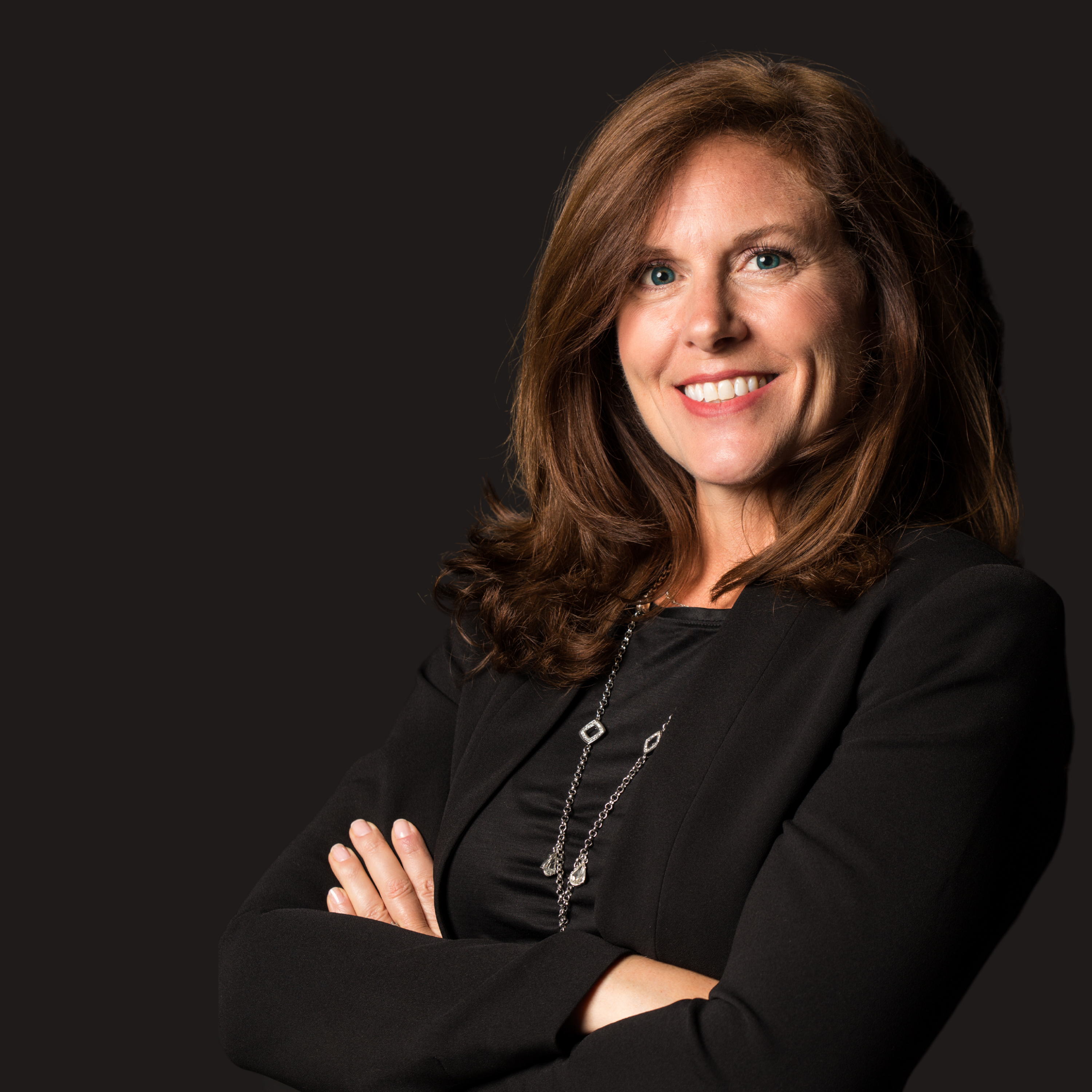
Elizabeth is a Master Certified Life and Health Coach with over 18 years of experience, dedicated to helping women in midlife thrive through holistic health and wellness. Her personal journey began with a desire to reduce her own breast cancer risk, which evolved into a mission to guide women through the complexities of midlife health, from hormonal changes to mental clarity and emotional resilience.
Elizabeth holds certifications from prestigious institutions such as The Life Coach School, Precision Nutrition, and the American Council on Exercise, as well as specialized training in Feminist Coaching and Women’s Hormonal Health. Her approach is deeply empathetic, blending her extensive knowledge with real-life experience to empower women in their 50s and 60s to build sustainable health habits that last a lifetime.
Recognized as a top voice in women’s health, Elizabeth speaks regularly on stages, podcasts, and webinars, inspiring women to embrace midlife with energy, confidence, and joy. Her passion is helping women regain control of their health, so they can fully engage in the things that matter most to them—whether that’s pursuing new passions, maintaining strong relationships, or simply feeling great in their own skin.