Most midlife women don’t struggle with goals because they’re undisciplined. They struggle because they’ve been taught to set goals as if they’re living in their past life—the one with more energy, fewer responsibilities, and a calmer hormonal landscape. In this episode of Total Health in Midlife, we’re kicking off a powerful four-day Goal Setting Series designed to help you set goals that finally stick.
Today’s episode explores why the traditional goal-setting methods you’ve relied on for years never accounted for your invisible workload, emotional labor, shifting hormones, or the reality of being “the responsible one” in everyone’s life. We pull apart the myth of the “realistic” goal and uncover the structural mismatch that causes your habits to fall apart the moment life gets loud.
If you’ve ever thought, “I should be able to do this,” only to watch your goals crumble during busy seasons, this episode will give you relief, clarity, and a new framework that honors who you are today—not who you were five, ten, or twenty years ago.
This is the beginning of a four-part series that will change the way you approach health, habits, and consistency in midlife. Let’s get started.
The Biggest Problem Midlife Women Face Regarding Setting Realistic Health Goals
Most midlife women set health goals based on who they used to be—someone with more energy, flexible schedules, stable sleep, and fewer caregiving duties. This creates a hidden mismatch: the goal may look realistic on paper, but it’s unrealistic for the woman they are today. When responsibilities expand, hormones shift, and emotional load increases, the same strategies that worked in their 30s simply no longer fit the structure of their current life.
The second major issue is that most goal-setting advice is built for people who aren’t carrying the invisible labor of an entire household. Traditional productivity methods assume predictable routines, full nights of sleep, and uninterrupted focus—conditions most midlife women do not have. So when their goal collapses during busy weeks, stressful seasons, or family demands, they blame themselves rather than recognizing that the system they were following was never designed for them.
Finally, the cultural expectation that women can “just try harder” keeps many stuck in cycles of guilt and self-blame. The truth is that setting goals without considering hormonal changes, bandwidth, caregiving duties, and emotional capacity guarantees inconsistency. The real problem isn’t discipline—it’s designing goals without a realistic understanding of the life they have.
WHAT YOU’LL LEARN
- Why the goals you set in your 30s no longer fit your midlife reality
- The hidden flaw in the “I should be able to do this” mindset
- How to rethink what a “realistic” goal actually looks like for women with full plates
What You Can Do Right Now
The most impactful shift you can make today is to stop setting goals based on who you used to be. Instead, pause and evaluate your current bandwidth: How much sleep are you getting? How much emotional labor are you carrying? What responsibilities are non-negotiable in this season of life? Use these insights to design goals that align with your real capacity—not the ideal version of your life that rarely exists.
Next, identify one behavior your goal requires and ask: “Can I reliably do this inside my actual life?” If the answer is no, the goal isn’t wrong—the structure around it needs to change. Start by reducing friction, simplifying expectations, and building supports that match your current needs. Small, sustainable adjustments will create far more momentum than strict goals that crumble under pressure.
The Listener Takeaway: Why This Episode Matters
You’ll walk away from this episode with a powerful sense of relief: nothing is wrong with you. Your past goals didn’t fall apart because you lacked discipline—they fell apart because they were sitting on top of an overloaded life. When you finally design goals around the woman you are right now, your efforts become sustainable, compassionate, and deeply effective.
This episode lays the foundation for a new way of approaching goals—one that respects the realities of midlife and gives you permission to build the life you want without burning out. By the end of this series, you’ll know exactly how to create goals that feel grounded, doable, and aligned with the future you want.
RESOURCES
- Life Proof Your Health Playbook
- Goal Setting Series 2: Myths of Achieving Goals
- Goal Setting Series 3: Planning for Obstacles
- Goal Setting Series 4: Maintaining Motivation
Are you loving the podcast, but arent sure where to start? click here to get your copy of the Total Health in Midlife Podcast Roadmap (formerly Done with Dieting) Its a fantastic listining guide that pulls out the exact episodes that will get you moving towards optimal health.
If you want to take the work we’re doing here on the podcast and go even deeper, schedule an I Know What to Do, I'm Just Not Doing It strategy call—and start making real, lasting progress toward feeling better, having more energy, and living with confidence in your body. click here to to book your call today.
I am so excited to hear what you all think about the podcast – if you have any feedback, please let me know! You can leave me a rating and review in Apple Podcasts, which helps me create an excellent show and helps other women who want to get off the diet roller coaster find it, too.
Listen to the Full Episode:
Full Episode Transcript:
GGS-1: Setting Realistic Goals
Elizabeth: [00:00:00] So have you ever set a goal maybe to eat healthier, sleep more, walk every day, or finally get back into a routine and genuinely believed this time I’m gonna do it
only to watch it fall apart. The second life got even a little bit chaotic. Now most women think that this is a discipline problem or a motivation problem or a I just need to try harder problem. But what if I told you that the real reason your goals haven’t stuck has nothing to do with your willpower, and it has everything to do with a flaw in the way women have been taught to set goals in the first place.
And what if the fix. Isn’t actually working harder, but actually making one simple shift that changes everything about how your goals fit into the life that you’re living right now. Now for the next few minutes, I’m gonna walk you through something that most women never hear, [00:01:00] and it’s the very thing that determines whether you finally reach your goals this year, or whether you keep repeating the same frustrating pattern.
Now, if you’ve ever felt like you’re doing everything right and still cannot make your goal stick, you are absolutely gonna wanna hear this. So let’s get into it.
Welcome to the Total Health and Midlife Podcast, the podcast for women over 40 who want peace with food, ease in their habits, and a body that they don’t have to fight with.
Hey everyone, welcome and thank you for tuning into the Total Health and Midlife podcast. I am your host, Elizabeth Sherman, and I am so super glad that you’re here today because we are kicking off something special. Over the next four days, I am releasing a short, powerful series to help you set goals in a way that finally works, goals that actually fit your life, your energy, your responsibilities, and your midlife [00:02:00] reality.
And so this isn’t about New Year, new you. This is about creating a way of setting and living your goals that stops falling apart. The minute life gets busy. Now, if you’ve ever set a goal to get healthier, to eat better, to get to bed earlier, to exercise more, and you felt genuinely excited about it, only to have it slide right out of your hands a few weeks later, this series is for you.
And today we are starting with a big. Setting realistic goals, but not realistic the way that most people use the word realistic for you, realistic for the woman that you are today, not the one that you were when you were 32. Realistic inside a life that’s already full, demanding and unpredictable.
Now here’s the thing I want you to hear. If you’ve struggled to stick to your goals in the past. That is not because you’re undisciplined or inconsistent. It’s [00:03:00] not because you didn’t want it enough. It’s not because you’re broken or bad at following through or lacking willpower. Honestly, you’ve always had more willpower than anyone else around you.
The reason is something much simpler and much more human. Your goals were sitting on top of a life that wasalready overflowing with responsibilities. Now, I learned this the hard way early in my health journey. I wanted to be the woman who ate clean all the time. I wanted the results so badly that I kept giving myself these extreme stretch goals.
The kind of goals designed for someone whose life revolved around food prep, perfect planning, and zero emotional eating, and that was not my life. I was juggling a demanding career, trying to keep a home running, managing my emotional world, navigating everything that comes with being a woman in this phase of [00:04:00] life.
And I didn’t have the support or the structure to maintain those habits. So, yes. Everything worked fine on the easy days, and then the minute life got busy or chaotic. When I was stressed or overwhelmed or tired or just emotionally done, the whole thing collapsed. And not because I didn’t care, and not because I wasn’t trying, but because the system I needed to support that goal didn’t exist yet.
And that’s what I wanna talk about today. Your goals haven’t failed becauseyou failed. Your goals have failed because the method that you were taught to set them was never built for a woman with your life, your responsibilities, your hormonal landscape, the invisible labor that you carry, your emotional load, your caregiving role, your everything.
And today, I’m gonna offer you a different way to approach your goals. One that [00:05:00] honors who you are, what your life looks like. And what your body and brain need from you in this stage of life. Now today is day one of the goal setting series, and by the end of it, you will understand exactly why goals need to be designed around the woman that you are today, not the one that you used to be, and not the one that you think you should be, and not the one that the internet tells you that you are supposed to become.
So let’s get into it. Let’s talk about the real problem behind setting quote unquote realistic goals, because this is where so many smart, capable, midlife women get tripped up without even realizing. When most of us set a goal, we don’t actually set it as the person that we are today. We set it as one of two different versions of ourselves.
Either the woman that we used to be, the one in the her [00:06:00] thirties, who has the energy, the different hormonal environment, fewer responsibilities and a whole lot more margin in her day, or the woman that we think we should be. The woman who wakes up at dawn and never misses a workout and always has a fridge full of prepped vegetables that she wants to eat, and somehow has the energy of a golden retriever in human form.
And because of that, realistic becomes this sneaky, loaded word, realistic turns into, well, I should be able to do this. I did it before. Or everyone else seems to be doing it, so I should be able to do it too. But none of that actually reflects the truth of who you are today in your actual life. Now, here’s an example that I see all the time, and you might see yourself in this example too.
A client of mine had always been a morning person. [00:07:00] 6:00 AM gym class. She loved everything about it. The community, the energy, the structure, the way that it just set her day up to succeed and feel accomplished and grounded. For years, that was part of her identity. She was the woman who got up early and got it done, and then perimenopause hit.
Her sleep changed, her energy changed, her stress tolerance changed. Her nervous system was different, and so for a while she stopped getting up for that 6:00 AM class and let herself sleep in because that’s what her body actually needed. Then once she started to feel ready to set goals again, she immediately went back to what had always worked before.
I’m gonna get up at five 15 to get to my 6:00 AM class and get back into my routine. Except that it didn’t work. [00:08:00] She struggled. She snoozed her alarm. She felt frustrated, she felt guilty, she felt confused, and she kept thinking, but I used to be able to do this. It’s not like it’s new behavior. Why is this suddenly really, really difficult for me?
And the answer is, nothing was wrong with her. Everything was different around her, her hormones, her stress load, her sleep quality, her nervous system, her responsibility, responsibilities, her life had changed, her body had changed. She was setting a goal based on a past version of herself instead of the person that she is today.
This is the hidden flaw in how so many of us approach goal setting. We choose goals based on old capacity or borrowed expectations. We forget to account for the reality of being in [00:09:00] midlife and the emotional load, the caretaking, the invisible labor, the shifting hormones, the unpredictable energy and the constant demands.
And then we blame ourselves when the goal doesn’t work out. This is where I have an overflowing plate metaphor and it becomes essential. So think about it this way, your life. Your responsibilities, your stressors, your caregiving roles, your work demands. That is all on this overflowing plate of responsibilities.
And when the plate is already overloaded, we like to add our new health habits on top of it. It’s like balancing a meatball on top of a mountain of spaghetti. Sure. It’ll stay as long as everything stays serene. The second life starts ing like a parent needs something. Your sleep [00:10:00] tanks work gets chaotic, someone gets sick, the dog throws up on the rug.
Whatever it is, the meatballs, your health habits, they roll right off. And not because you’re inconsistent or uncommitted, not because you’re unmotivated, but because the structure underneath could not support it. And so if you’ve ever felt like your goals collapse, the moment real life shows up, this is why you are not setting them for the woman that you are right now, and you haven’t built a plate strong enough to support the goals that you care about.
This is the shift that we’re making today and across this whole entire series. We are going to stop building goals for fantasy versions of ourselves and start building them for the real, living, breathing woman whose life matters, whose time matters, and whose [00:11:00] needs matter.
So let’s break this down even further because this is the part that most women never account for when they’re setting goals. Your health isn’t something you fit into. Your goals, your health is the plate that holds everything when your plate is already full, when every minute of your day is accounted for.
When other people depend on you, when you’re carrying the invisible labor of managing a home, managing emotions, caregiving, working, planning, remembering, adding a new habit is like hopping another meatball on a heaping pile of pasta. It might balance, for a while, it might even feel doable, but the second that plate starts to wobble, everything on top of it just rolls away.
here’s what’s important about that. That wobble isn’t failure. It’s [00:12:00] actually predictable. It’s human, it’s life. You’re not a robot waking up in identical circumstances every single day. You’re a woman in midlife whose energy changes, whose sleep changes, whose hormones shift, whose responsibilities ebb and flow, whose emotional capacity is constantly being pulled in different directions.
And because of all that, your plate gets disturbed a lot. So, let me give you an example I’ve seen hundreds of times. First, as a young personal trainer and then over and over again as a coach in my practice, back in my early days of training, I’d have clients come in excited, motivated, and totally on board, and they would show up consistently.
They’d stretch, they’d do all the things. They would get fantastic results, and then life would hit. Maybe they had to [00:13:00] travel for work. Maybe it was a vacation. Maybe the holidays arrived and suddenly they were coordinating gifts and events and cooking and hosting and going to parties. Maybe their kids needed more attention.
Maybe their job exploded with deadlines every single time without exception. Something would start demanding more of their time and emotional bandwidth. And the moment that happened, the first thing that they dropped was the thing that they were doing for themselves. They would cancel their appointments with me and their eating habits would fall off track.
Workouts disappeared, sleep went out the window. And of course, the results that they worked so hard for for months. Those started to unravel as well, and not because they didn’t care, and not because they were inconsistent, but because the circumstances, the plate [00:14:00] underneath their habits was overloaded, shaky, and not designed to support anything Extra.
Travel especially will disrupt a habit faster than anything. I see this all the time. For some women, it’s a twice a year vacation, so that’s easily planned with a little forethought. But for others, travel is constant. Work trips, caregiving trips, back and forth, flights for family or unexpected emergencies.
And if you’re relying on a routine, that only works when you have a specific environment and your home and everything is calm. That routine is going to break the moment that you step into an airport. There’s nothing wrong with you for that. This is what midlife looks like. This is what being the default adult looks like.
This is what happens when the plate is holding everything and the meatball is just sitting there hoping [00:15:00] that nothing disturbs it. Here’s the truth that I want you to absorb. If the plate is full and wobbly, no goal can stay on top no matter how badly you want it. Desire doesn’t prevent disruption.
Willpower doesn’t stabilize a plate. motivation doesn’t hold a habit in place when life starts shaking. The only thing that keeps a goal from rolling off is creating a plate that’s strong enough and spacious enough and supportive enough to hold it even on the messiest of days. And once you see this clearly, it’s not discouraging.
It’s clarifying because now instead of fighting yourself or believing that you are the problem, you can finally work on the real issue,
Designing a life and system that supports the behaviors your goal requires. You are not flawed. The method that you were taught was [00:16:00] flawed. so if your goals can’t sit on top of your life anymore, what does realistic actually mean in this context? This is where most women misunderstand the concept.
Realistic doesn’t mean smaller. It doesn’t mean settling, and it definitely doesn’t mean easy. Realistic means aligned, aligned with the woman that you are today. With your actual bandwidth, your emotional landscape, your hormonal state, your responsibilities and your needs. A realistic goal is one that fits into the architecture of your real life, not the imaginary version of your life where everything goes smoothly and no one needs anything from you.
And once you see it that way, the question shifts from what do I want to accomplish to something a lot more powerful. Who do I need to become in order to live this goal? What behaviors [00:17:00] does this goal ask of me consistently? and what needs to change in the structure of my life so that I can actually support those behaviors?
This is where identity comes in and where everything starts to feel more honest and more doable. So let me give you an example for my own life When we first moved to Mexico, we did what everyone else around us did. We stayed out late, we went to parties, we danced, we drank, we joined the celebrations, and it was fun. It felt like being part of a culture. But then perimenopause kicked in for me and suddenly those late nights were. Absolutely kicking my butt.
I couldn’t bounce back the next day. Alcohol made my sleep worse, not better. I couldn’t sleep like I used to, and I used to be able to take naps, but then all of a sudden. I just couldn’t, my body didn’t operate the same way anymore and I [00:18:00] kept telling myself I should be able to do this. I used to be able to do this.
Everyone else seems fine, but my reality was different now and the consequences were landing squarely on me. No one else was waking up exhausted. Well, maybe they were, but no one else was dealing with my anxiety spikes at 3:00 AM and no one else was experiencing my slogging through the next day, feeling like I had aged 10 years overnight.
And at some point I had to get really honest with myself if I wanted to feel good, if I wanted to have energy, if I wanted to function the next day. Then I had to become the woman who prioritized her sleep, not the woman who wants to sleep, not the woman who tries to get in bed earlier, but the woman who protects her bedtime.
Like it actually matters, and that required a shift [00:19:00] in identity. I had to stop asking, how do I make late nights work? And started asking, who am I choosing to be here? Does this behavior support that identity? Now, for me, that meant saying no to some things. It meant leaving events earlier. It meant choosing water over another margarita, not because I became boring or rigid, I hope, but because I finally understood that no one suffers the consequences of my choices except for me.
If I was gonna stay healthy and grounded in this life that I love, I needed to align my behaviors with the woman that I was becoming, not the woman that I used to be. That’s what identity-based goal setting is. It’s the difference between I want to get more sleep, and I am a woman who protects her sleep because she knows [00:20:00] how she feels when she doesn’t.
It’s the difference between I wanna walk three times a week and I’m becoming the kind of woman who moves her body, even when it’s inconvenience. And so once you understand all of that, your goal, stop feeling like a punishment or a test, they start feeling like an evolution of becoming. And that’s the point.
Realistic goals aren’t about shrinking your dreams. They’re about building a life and an identity that can actually hold the dreams that you have. Now, if you take nothing else away from today, I want it to be this. Your health is the structure.
Your health is the plate. Your goals will only stick when they’re built into that structure, not balanced on top of it. And this is why so many of your [00:21:00] past goals felt shaky. Even when you were excited about them. They were sitting on a plate that was already full, already wobbling and already stretched thin by responsibilities that no one else sees.
And the truth is, there’s nothing wrong with you for that. You just need a different system, one that respects your real life, not the idealized version you think you should have. And that’s exactly why I created the LifeProof Your Health Playbook. Now this playbook is amazing. It teaches you how you can build a plate that can hold the rest of your life. It shows you how to redesign the hidden architecture of your health goals, your routines, your bandwidth, your expectations, your environment, so the habits that you actually want to have, have a place to live because when your life supports your habits, your goals stop falling off the edge.[00:22:00]
The playbook walks you step by step through creating a system that bends with your life instead of breaking under it.
If you ever feel like you should be able to do this, but your reality keeps getting in the way, this is the resource that will finally make your goals possible. You can find it@elizabethsherman.com slash life. Dash proof dash playbook. I’ll put that link in the show notes and we are just getting started.
So today’s episode set the foundation, but over the next three days, we are going to go so much deeper. I’m gonna teach you how to rethink the myths that you’ve been taught about what goals require. How to anticipate and navigate the obstacles that have derailed you in the past and how to build follow through.
That actually works even on days when you don’t feel like it. So make sure you tune in tomorrow for day two of the Goal Setting series. I [00:23:00] promise you are not going to wanna miss it. So that’s all I have for you today. Have an amazing day, and I will see you tomorrow.
Hey, before you go, if you’re ready to stop forcing yourself into someone else’s idea of a healthy routine and discover your own, take a look at the Life Proof Your Health Playbook. It’s a step-by-step guide that helps you to build a foundation that actually supports your life. Instead of competing with it inside, you’ll learn how to create margin.
Plan with flexibility and anchor habits in a way that feels natural, not exhausting. You’ll also get a full video and audio series so that you never feel lost along the way. To get the LifeProof Your Health Playbook, go to elizabeth sherman.com/life Proof Playbook and get your copy there and you’ll find everything that you need in the show notes.
Let’s make your health something that finally fits the life you [00:24:00] have.
Enjoy the Show?
- Don’t miss an episode, follow the podcast on Spotify and subscribe via Apple Podcasts or RSS.
- Leave me a review in Apple Podcasts.
- Join the conversation by connecting with me on Social!


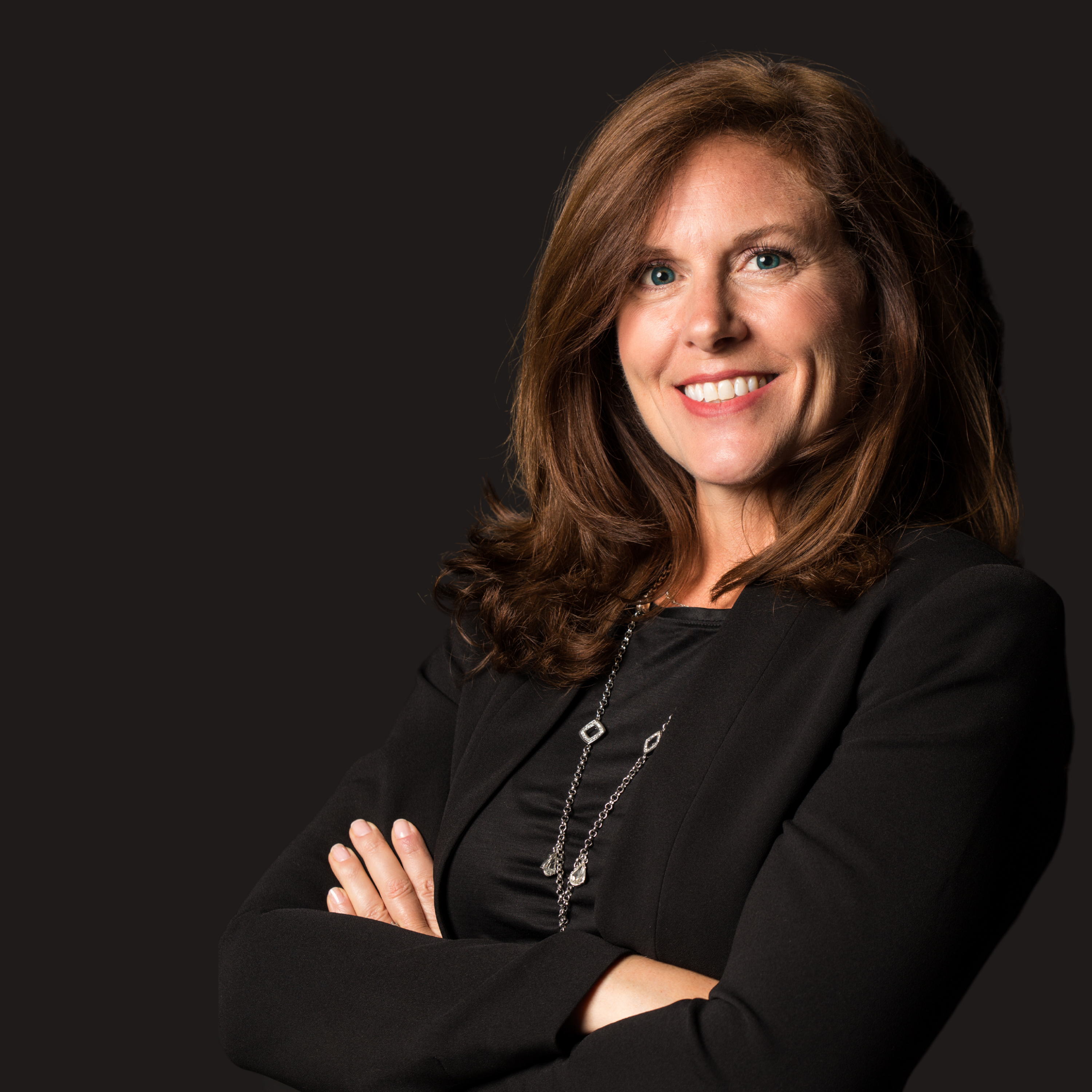
Elizabeth is a Master Certified Life and Health Coach with over 18 years of experience, dedicated to helping women in midlife thrive through holistic health and wellness. Her personal journey began with a desire to reduce her own breast cancer risk, which evolved into a mission to guide women through the complexities of midlife health, from hormonal changes to mental clarity and emotional resilience.
Elizabeth holds certifications from prestigious institutions such as The Life Coach School, Precision Nutrition, and the American Council on Exercise, as well as specialized training in Feminist Coaching and Women’s Hormonal Health. Her approach is deeply empathetic, blending her extensive knowledge with real-life experience to empower women in their 50s and 60s to build sustainable health habits that last a lifetime.
Recognized as a top voice in women’s health, Elizabeth speaks regularly on stages, podcasts, and webinars, inspiring women to embrace midlife with energy, confidence, and joy. Her passion is helping women regain control of their health, so they can fully engage in the things that matter most to them—whether that’s pursuing new passions, maintaining strong relationships, or simply feeling great in their own skin.