

When you’re tired and nothing sounds good, the goal isn’t to “cook a real meal from scratch”—it’s to use a pre-decided low-energy dinner plan (shortcuts + simple mix-and-match) so you can eat well without thinking too hard.
TL;DR
Here’s what matters when your brain is fried and dinner feels personal:
- What to know: “Nothing sounds good” is usually fatigue + decision overload + zero help, not a character flaw.
- What to do: Keep 3 tired-night defaults ready: grocery shortcuts, pantry/freezer fallbacks, and a planned takeout order.
- What to aim for: A “good enough” plate: protein + something colorful + something filling (and yes, that can be a tortilla).
- What to avoid: New recipes on exhausted nights. That’s like choosing to assemble IKEA furniture when you’re already mad.
- What changes everything: Plan based on your real energy (especially in midlife), not the version of you who meal plans like she has a personal chef and a clean kitchen at all times.
You’re the kind of woman who can do hard things… and dinner still breaks you
Let me guess: It’s around 6:00–7:00pm. You’ve been “on” all day. Work. People. Emails. Decisions. Maybe a commute. Maybe caretaking. Maybe adult kids. Maybe a partner who’s wonderfully capable… and somehow still waiting for you to start dinner like you’re the opening act.
You walk in the door. The fridge is full. And nothing sounds good. Not because you’re picky. Not because you’re dramatic. Not because you “lack discipline.” But because the whole situation is a perfect storm of three problems happening at the same time:
Dinner requires too much from you
Nothing is started. No plan is in motion. The kitchen might be a mess. You can feel the lift in your body. And what you’re actually reacting to isn’t the chicken or the vegetables. It’s the fact that making dinner means you’re signing up to:
- clean the kitchen first
- figure out what to make
- prep ingredients
- cook
- clean again
- then pretend it was “no big deal”
That’s not dinner. That’s a second shift.
You want relief more than you want a “healthy meal”
When you’re tired, your brain is not like, “Let’s calmly execute the plan.”
Your brain is like:
- “I don’t feel like it.”
- “I don’t want to.”
- “This is going to be too much work.”
- “If I’m doing all of this, it better be worth it.”
- “DoorDash would be easier.”
And honestly? That makes sense. Because what you want in that moment isn’t food. It’s relief.
Why is dinner always your job?
This is the part women rarely say out loud, but feel in their bones: “Why is it that the default setting is… me?” Even when you have capable people in the house. Even when you’ve worked all day. Even when you’re running on fumes. And if you’re in midlife, this can be even louder—because your energy, sleep, stress tolerance, and hormones may not behave like they did at 35.
So when you say, “Nothing sounds good,” what you might really mean is: “I don’t have the capacity to do this the way I think I’m supposed to.”
And that’s the part we’re going to solve.
How I can help (and why I built this in the first place)
I didn’t create my meal planning system because I’m naturally organized or because I enjoy spending my evenings lovingly sautéing things.
I built it because I was sick of the same loop:
I’d plan a bunch of meals like I was going to be a whole new person… and then Thursday would hit. I’d be tired. The kitchen would be a mess. Nothing would sound good. And suddenly ordering food felt like the only option that didn’t require more of me.
If you’re exhausted and resentful, that makes sense. You’re not broken—you’re overloaded.
And after coaching midlife women for years, I can tell you: this is incredibly common. Energy changes across the week. The invisible load is real. And most women are trying to meal plan with an all-or-nothing mindset that collapses the second real life shows up.
So I stopped planning for “perfect.” I started planning for real.
Feed your tired self (not your Pinterest self)
Because your Pinterest self has a clean kitchen, unlimited time, and a supportive cast of characters who chop vegetables in the background while you sip sparkling water.
Your tired self is standing in front of the fridge thinking, “If I have to wash one more pan, I will simply pass away.”
So let’s make a plan that works for her.
Step 1: Notice your pattern (Week 1 = awareness, not perfection)
For one week, don’t try to “fix” dinner. Just collect data. At the end of each day, ask:
- What was the plan?
- What did I actually do?
- Why didn’t they match?
No drama. No judgment. Just information.
Because if you keep planning five homemade dinners and only cooking three… that’s not failure. That’s feedback. It means your plan doesn’t match your real life.
Step 2: Build tired-night defaults (so dinner is mostly assembling)
When you’re exhausted, you don’t want a recipe. You want autopilot. So instead of asking, “What do I feel like making?” you’re going to create a short list of tired-night defaults you can rotate through.
Think: “open bag, heat thing, add sauce, eat.” This is where grocery-store help (pre-cut veggies, bag salads, pre-marinated proteins) and pantry/freezer fallbacks become your best friends.
Step 3: Make it easier than DoorDash (including planned takeout)
I’m not anti-DoorDash. I’m anti-unplanned DoorDash. Because when you decide what to order while you’re hungry, tired, and irritated, your brain is not in “good choices” mode. It’s in “give me relief” mode. So we plan takeout like grown-ups.
We decide ahead of time:
- what you’ll order
- how you’ll add something that supports your body (usually a veg or extra protein)
- and what “enough” looks like for you (half now, half tomorrow, share it, whatever works)
The goal isn’t perfection. The goal is a plan you can actually live with—even on Thursday.
Want my help building your tired-night plan?
If you’re reading this thinking, “Okay yes… but I still don’t know what to actually do in my house with my schedule and my people,” that’s exactly why I created the Meal Planning Playbook (and it comes with my Mix & Match Meals Builder bonus, so you can stop reinventing dinner every night).
And if you want a simple place to start today, grab my free 8 Basic Habits of Healthy People guide + checklist. It’ll help you spot what matters most—without turning your life into a health overhaul project.
What success looks like (when this stops being a nightly fight)
Success isn’t that you suddenly love cooking. It’s that dinner stops feeling like a problem you have to solve with sheer willpower.
You have fewer spirals. Fewer last-minute orders that aren’t even that satisfying. Less resentment. More of that quiet pride that says, “I fed myself like an adult, even though I was tired.”
And here’s the sneaky benefit: when you’re not eating a huge, heavy “screw it” meal late at night, your sleep tends to go better—because big, rich meals and overeating close to bedtime can mess with digestion and sleep quality. (Sleep Foundation)
You wake up with a little more stability instead of “hangry chaos.”
AND you avoid …
You escape the nightly debate. You avoid the “I don’t want this… but I don’t want to cook… so I’ll order something… and then I’ll feel too full and sleep weird” loop. (Sleep Foundation) You save money. You stop waking up the next day annoyed—at your kitchen, your schedule, your people, and honestly… yourself.
Not because you did dinner perfectly. Because you had a plan that worked on a normal, tired Thursday.
How to feed yourself on tired nights (without turning dinner into a personality test)
1. Do a 7-day “Dinner Reality Check.”
For one week, don’t try to fix anything. Just write down (in your Notes app is fine):
- What was the plan?
- What actually happened?
- Why didn’t they match?
This is data. Not evidence that you “can’t stick to anything.”
2. Pick your weekly number (don’t get overzealous).
If you currently cook 2 nights, plan 3. That’s it.
Most women fail meal planning because they plan like they have more energy than they actually do.
3. Choose ONE new recipe max.
New recipes are for weekends or high-energy days.
On tired nights, a recipe is basically homework. You want autopilot.
4. Build your “Tired-Night Menu” (three short lists).
You’re creating options that require almost no decisions. This matters because decision fatigue is real—and limiting options and creating a routine helps.
- Grocery helpers: pre-cut broccoli/veg, bagged salads, rotisserie chicken, pre-marinated meat, store-made soup.
- Pantry/freezer fallbacks: frozen veg + protein + sauce + leftover rice (or microwave rice).
- Planned takeout orders: decide ahead of time what you’ll order when you’re tired (not when you’re starving and cranky).
5. Match meals to your real week.
Early week = you usually have more bandwidth, so you can do the “actual cooking” meals.
Late week = plan for lower effort: tacos, burgers, bowls, breakfast-for-dinner, anything casual.
6. Add a “vegetable insurance policy.”
Keep frozen or canned veggies on hand for the nights you cannot deal. The CDC literally recommends frozen/canned vegetables as a quick side—“just microwave and serve.” (CDC)
(And yes, pre-cut veggies count. Your job is to eat them, not prove you can chop them.)
7. Reduce the invisible load
Give one person one job. Rotate it. Examples:
- “Start the rice.”
- “Chop the veg.”
- “You own Wednesday dinner.”
And then let them do it their way. “Good enough” is the point.
8. Debrief weekly (2 minutes).
What worked? Keep it.
What didn’t? Remove it.
Your plan is a living document—not a test you pass or fail.
If you want my plug-and-play version of this (including the Mix & Match framework so you stop reinventing dinner), that’s what the Meal Planning Playbook is for.
FAQ
What should I eat when I’m tired and nothing sounds good?
Pick something that’s mostly assembly, not “cooking.” My favorite tired-night structure is: protein + something colorful + something filling. That can be rotisserie chicken + bag salad + bread. Or eggs + frozen veggies + tortillas. “Good enough” is the win.
How do I make dinner when I have zero energy and a messy kitchen?
Lower the requirement. Choose a dinner that needs one pan (or zero) and creates minimal cleanup. Think: store-made soup + salad kit. Or microwave rice + frozen veggies + pre-cooked protein. If the kitchen is a disaster, dinner doesn’t get to be complicated. That’s just math.
Is it okay to order DoorDash if I’m trying to eat healthier?
Yes. I’m not anti-DoorDash. I’m anti hungry, irritated, last-minute DoorDash. Plan it ahead of time (when your thinking brain is online) and decide your “support your body” add-on: extra protein, a veg side, split it in half for tomorrow—whatever works for you.
How do I stop abandoning my meal plan halfway through the week?
Stop planning like you’re going to feel the same on Monday and Thursday. Most of us don’t. Do a one-week “plan vs. reality” check and adjust the plan to match your real life. Also: one new recipe max. New recipes on tired nights are basically a setup.
What are “healthy convenience foods” I can buy at the grocery store?
Anything that removes friction. Examples:
- Pre-cut vegetables (yes, it’s worth it)
- Bagged salad kits
- Rotisserie chicken
- Pre-marinated proteins
- Frozen veggies (plain, not in butter sauce)
- Canned veggies/beans (rinse if you want to reduce sodium)
Frozen and canned options can absolutely be nutritious and convenient. (CDC)
Why do I crave takeout at night even when I have food at home?
Because you’re not craving food. You’re craving relief. And when you’ve made a million decisions all day, your brain gets depleted and starts pushing you toward the easiest, most instantly rewarding option. That’s decision fatigue. (Cleveland Clinic)
How do I meal plan without meal prepping a bunch of containers?
Meal planning is deciding, not bulk-cooking. Your plan can include grocery shortcuts, leftovers, and even takeout. The goal is to reduce decision-making at 6:30pm. If meal prep containers help you, great. If they make you want to quit, we’re not doing that.
What’s a realistic meal plan for perimenopause or menopause fatigue?
One that assumes your sleep and energy may be inconsistent—and plans for that. Perimenopause can come with symptoms like trouble sleeping, mood changes, and trouble concentrating (aka: not the ideal state for learning new recipes at 7pm). (Johns Hopkins Medicine)
So: fewer planned “from scratch” meals, more tired-night defaults, and at least one planned low-effort night midweek.
What if my family won’t help and I’m resentful about dinner?
Start tiny and specific. Don’t ask, “Can you help more?” Ask: “Can you chop the veggies?” or “You’re in charge of Wednesday dinner.” Then let them do it their way (even if it’s not your way). The goal is a lighter load, not a perfectly executed production.
What’s the simplest “good enough” dinner formula?
Here it is: protein + produce + something filling.
Protein: chicken, eggs, Greek yogurt, beans, tofu, tuna.
Produce: bag salad, frozen veg, pre-cut broccoli, salsa, berries.
Filling: rice, potatoes, bread, tortillas, pasta.
Mix. Match. Eat. Repeat.
Sources:
How to Have Healthier Meals and Snacks — CDC (2024).
Why it matters: Supports the “decide ahead” idea (look at menus online before you order), plus practical portion strategies (split an entrée / box half right away).
CDC https://www.cdc.gov/healthy-weight-growth/healthy-eating/meals-snacks.html
Menopause, Women’s Health, and Work — CDC (2024).
Why it matters: Backs up that sleep trouble, mood changes, and concentration/memory complaints are common in the menopausal transition—aka: you’re not “lazy,” you’re dealing with a real season of life.
CDC https://www.cdc.gov/womens-health/features/menopause-womens-health-and-work.html
Psychology of Habit — Annual Review of Psychology (2016).
Why it matters: Supports your core message that “defaults” run the show when you’re tired—habits are strongly tied to repeated behaviors in recurring contexts, so designing your environment (and your dinner defaults) matters.
Ovid https://www.annualreviews.org/doi/pdf/10.1146/annurev-psych-122414-033417
The influence of sleep health on dietary intake: a systematic review and meta-analysis of intervention studies — (British Dietetic Association / PubMed) (2020).
Why it matters: Supports the “sleep foundation” point without fluff: partial sleep restriction is associated with higher daily energy intake (on average). Great for tying “hangry chaos” to sleep.
PubMed https://pubmed.ncbi.nlm.nih.gov/33001515
Eating late negatively affects sleep pattern and apnea severity in individuals with sleep apnea — Journal of Clinical Sleep Medicine / American Academy of Sleep Medicine (2019).
Why it matters: Supports the claim that later meal timing can be linked with worse sleep parameters (sleep latency, sleep quality markers) in a clinical sleep population—useful for your “too-full sleep” / timing note.
PubMed https://pubmed.ncbi.nlm.nih.gov/30853037
Tips for Combating ‘Decision Fatigue’ — Cleveland Clinic (2024).
Why it matters: A credible clinical explainer for the lived experience you’re describing: lots of decisions → mental fatigue → more impulsive choices later in the day (like ordering the same thing on autopilot).
Cleveland Clinic https://newsroom.clevelandclinic.org/2024/11/04/tips-for-combating-decision-fatigue
Healthy Eating Plate — Harvard T.H. Chan School of Public Health (2011).
Why it matters: A simple, non-diet-y “good enough plate” framework you can reference (protein + produce + satisfying carbs/fat) without turning your post into macros math.
The Nutrition Source https://nutritionsource.hsph.harvard.edu/healthy-eating-plate/
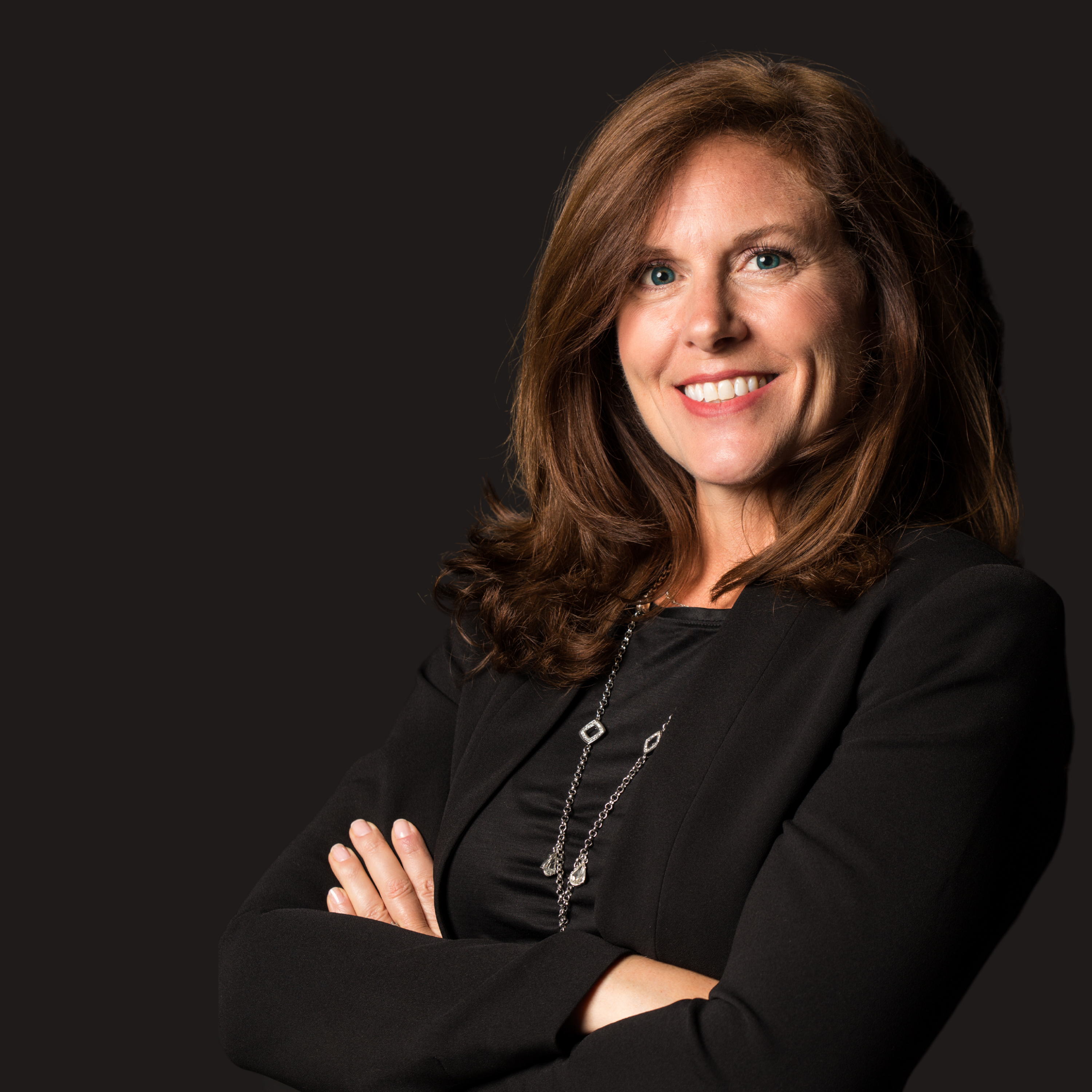
Elizabeth is a Master Certified Life and Health Coach with over 18 years of experience, dedicated to helping women in midlife thrive through holistic health and wellness. Her personal journey began with a desire to reduce her own breast cancer risk, which evolved into a mission to guide women through the complexities of midlife health, from hormonal changes to mental clarity and emotional resilience.
Elizabeth holds certifications from prestigious institutions such as The Life Coach School, Precision Nutrition, and the American Council on Exercise, as well as specialized training in Feminist Coaching and Women’s Hormonal Health. Her approach is deeply empathetic, blending her extensive knowledge with real-life experience to empower women in their 50s and 60s to build sustainable health habits that last a lifetime.
Recognized as a top voice in women’s health, Elizabeth speaks regularly on stages, podcasts, and webinars, inspiring women to embrace midlife with energy, confidence, and joy. Her passion is helping women regain control of their health, so they can fully engage in the things that matter most to them—whether that’s pursuing new passions, maintaining strong relationships, or simply feeling great in their own skin.